Russia
-
 The Russian/Ukrainian conflict has shown that a division between energy-transition rhetoric and reality can lead to profound global consequences by creating an imbalance in nations’ access to diverse flows of energy. The Energy Basket composition is determined by the demands and fluidity of the grid, as opposed to high-minded rhetoric.
 -
After showing an unexpected degree of resiliency, the brunt of embargoes and economic contraction are set to impose yet another big hit to Russia's output.
-
The license covers exploration and development of area fields for next 27 years.
-
Europe is providing a stark look at the vagaries of geo- and energy politics and how quickly complacency can be shattered. Will its lessons learned be heeded by the rest of the world?
-
As the world tries to shift to renewable energy, the war in Ukraine has underscored the struggle for the minerals and metals required. The conflict illustrates that nations that pursue net-zero strategies will have to contend and account for “greenwalls,” energy-transition deterrents created by crises or geopolitical events.
-
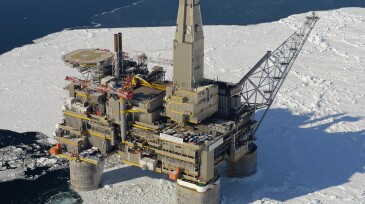
The Russian president has signed a decree that appears to nationalize the Sakhalin-2 offshore oil and gas production-sharing agreement and related LNG facilities to squeeze out its foreign partners.
-
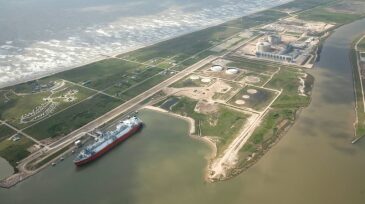
A longer-than-expected repair period following the 8 June explosion could strand 2 Bcf/D of natural gas in the US.
-
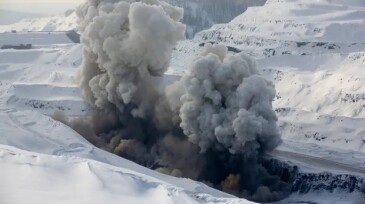
About 90 tonnes of methane an hour were released from the Raspadskaya coal mine in January, data from the GHGSat global satellite shows.
-
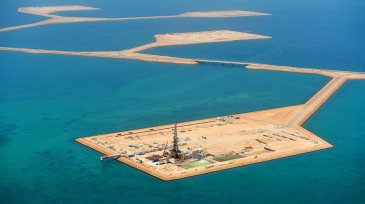
The 23-country group is seeking to end its historic supply cuts a month early as oil prices march upwards.
-
By turning its back on Russian oil and gas, will Europe speed up or slow down its energy transition, and what will be the impact on global climate change?