AI/machine learning

Chevron and Halliburton describe how they built and deployed the fully autonomous closed-loop fracturing system that enables subsurface-driven optimization.
Aramco says it has saved $770 million over the past 3 years from the $70 million it has invested over the same period in corrosion management technologies.

The deal adds physics-based reservoir modeling and real-time decision workflows to SLB’s digital portfolio.
-
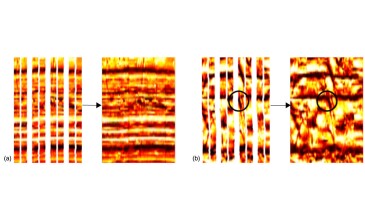
 The authors of this paper propose an artificial-intelligence-assisted work flow that uses machine-learning techniques to identify sweet spots in carbonate reservoirs.
 -
This paper describes a method with multitiered analysis to leverage machine-learning techniques to process passive seismic monitoring data, pumping and injection pressure, and rate for fracture and fault analysis.
-
Edge computing is propelling computer vision into a new era, catalyzing the development of smart devices, intelligent systems, and immersive experiences.
-
By incorporating AI-powered solutions, companies can tailor wellness plans to cater to the diverse needs of their workforce, fostering a more inclusive and supportive environment.
-
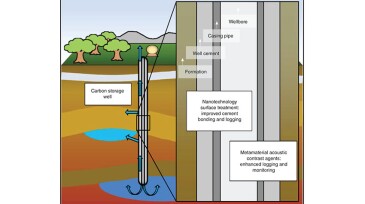
The authors of this paper describe a suite of technologies that enables enhanced well robustness and performance modeling and monitoring of carbon storage facilities.
-
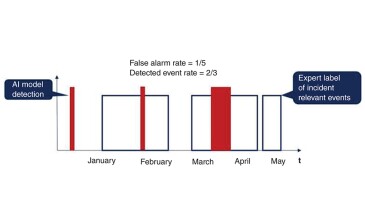
This paper presents the proof of concept of artificial-intelligence-based well-integrity monitoring for gas lift, natural flow, and water-injector wells.
-
The authors of this paper describe a project aimed at automating the task of cuttings descriptions with machine-learning and artificial-intelligence techniques, in terms of both lithology identification and quantitative estimation of lithology abundances.
-
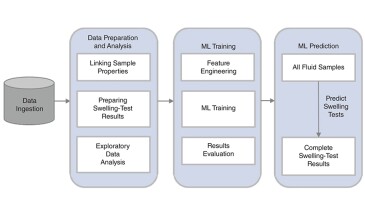
The authors of this paper present a machine-learning-based solution that predicts pertinent gas-injection studies from known fluid properties such as fluid composition and black-oil properties.
-
Finding and producing crude and natural gas is far, far removed from the days of acting on a geologist’s hunch or a wildcatter’s gut feeling.
-
It is imperative for energy companies to assess potential legal ramifications of integrating artificial intelligence into their operations.