AI/machine learning

The emerging vision is an industry where engineers focus on judgment, risk assessments, and accountability.

Case studies from Devon Energy, ConocoPhillips, and others show how clever engineering and technology are being used to improve recovery and asset value.

This study demonstrates the transformative potential of physics-informed neural networks as a hybrid framework for multiphase flow measurement.
-
 These papers provided insights and advances into field-operations automation, machine-learning-assisted petrophysical characterization, and fluid-distribution analysis in unconventional assets.
-
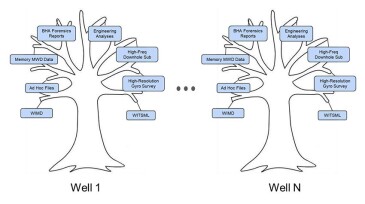
The authors make the case that data science captures value in well construction when data-analysis methods, such as machine learning, are underpinned by first principles derived from physics and engineering and supported by deep domain expertise.
-
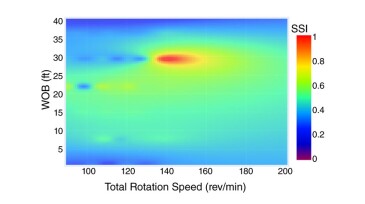
In this paper, the authors propose a regression machine-learning model to predict stick/slip severity index using sequences of surface measurements.
-
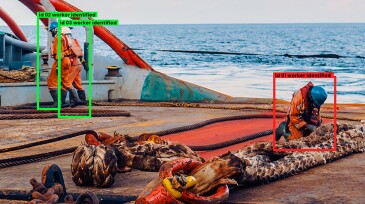
From optimizing drilling performance to enhancing worker safety, computer vision can change how the industry works.
-
A recent survey conducted by Rackspace Technology reveals new attitudes about using the cloud, including a change from using the public cloud to using private, on-site clouds or a hybrid of the two.
-
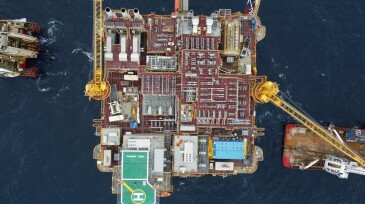
This study examines the implementation of a predictive maintenance method using artificial intelligence and machine learning for offshore rotating production-critical equipment. Conducted over 2 years at Murphy Oil’s deepwater platforms in the Gulf of Mexico, the project aimed to detect equipment issues early, reduce downtime, and streamline maintenance processes.
-
Moving from use cases to enterprisewide AI is more than a technology challenge. It requires anchoring on value, feedback, and innovation.
-
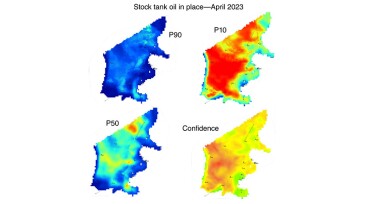
This paper focuses on the vital task of identifying bypassed oil and locating the remaining oil in mature fields, emphasizing the significance of these activities in sustaining efficient oilfield exploitation.
-
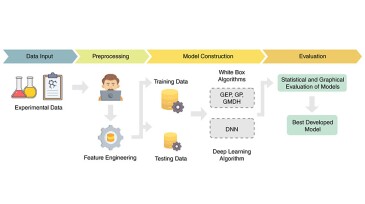
The objective of this study is to develop an explainable data-driven method using five different methods to create a model using a multidimensional data set with more than 700 rows of data for predicting minimum miscibility pressure.
-
In this study, artificial-intelligence techniques are used to estimate and predict well status in offshore areas using a combination of surface and subsurface parameters.