Carbon capture and storage
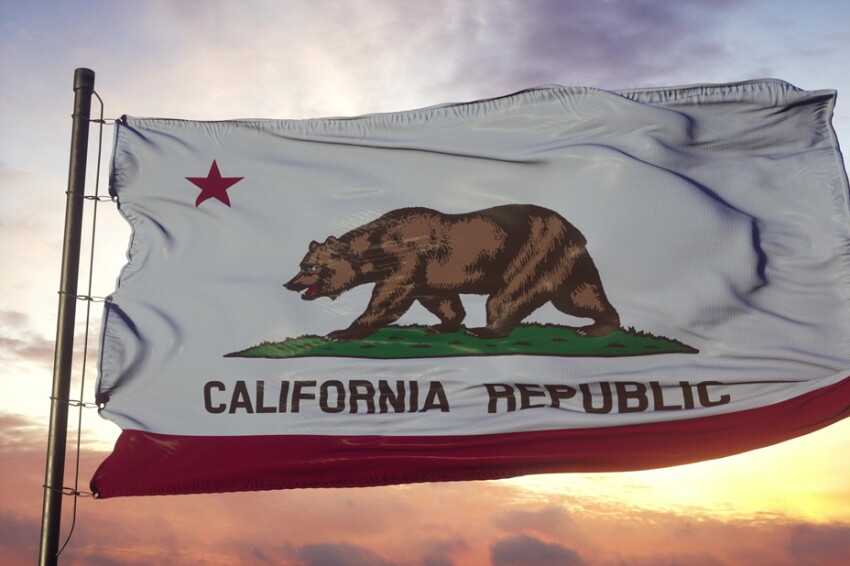
The California Resources Corporation achieved the state’s first carbon dioxide injection into two depleted reservoirs with the potential to store 38 million tonnes.
Research by Enervus sees early 2026 permitting activity for the carbon capture and storage wells pointing to a growing approval queue, even while the rate of applications eases.

This paper presents a case study of oriented tubing-conveyed perforation followed by an acidizing operation to overcome technical challenges posed by a depleted reservoir targeted for a carbon capture, utilization, and storage project.
-
 Sempra lands partners for a CCS deal in Louisiana, while Shell eyes newbuild ships for CCS transport. An offshore alliance targets floating wind technology, and global hydrogen projects gain momentum in the UAE, Africa, and Brazil.
 -
Chevron, Talos, and Carbonvert have finished the documentation and closed the joint venture for the carbon capture and storage project on the Gulf of Mexico coast.
-
What You Should Know About Offshore and Sour Gas CCS: High Cost, Leak Mitigation, and TransportationSoutheast Asia promises to be a compelling case study in how oil and gas producers will soon face the realities of scaling up carbon capture and storage projects.
-
Hydrogen fuels, storage, and production projects are on the go, while CCS and wind projects receive significant international boosts from the likes of INPEX, Chevron, Equinor, and Eni and Amazon splashes cash for more than three dozen renewables projects.
-
The companies plan to capture CO2 from Linde's hydrogen liquefication plant in the Houston area and inject it into multiple storage sites.
-
Will CO2 storage resources increase the valuation of oil and gas companies and counterbalance environmental, social, and governance pressure?
-
The two companies will focus on carbon capture technology along with carbon utilization and hydrogen production.
-
As the announcement of carbon sequestration projects becomes the norm, it’s time we look at what we know from a technical angle about how these projects need to be run based on the industry’s experience with enhanced oil recovery.
-
The US oil and gas company said it signed a letter of intent with the US midstream operator to explore commercializing a CO2 transportation and storage network.
-
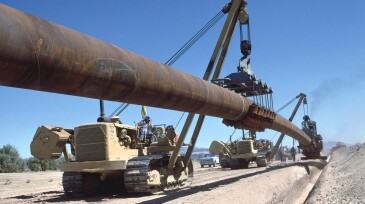
Companies want to build pipelines to capture and store carbon, but a new report warns that regulators aren’t prepared.