Completions

Three papers are highlighted as the primary contributions because of their broad industry relevance. They focus on improving formation particle-size characterization, expanding the application of openhole gravel packs in depleted and compartmentalized reservoirs, and advancing the understanding of capillary pressure in sand production.

This paper aims to establish a set of best practices for generating particle-size-distribution data from core samples.

This paper discusses the successful execution of two openhole gravel-pack completions in two Gulf of Mexico fields with depleted reservoirs.
-
 The Texas Railroad Commission has tightened its guidelines on the permitting of disposal wells in the Permian Basin.
 -
US shale producers have stepped up their use of simultaneous fracturing techniques to cut costs and accelerate well delivery.
-
Natural gas-powered electric fleets look to pave the way for the next generation of power generation.
-
Field examples from the Bakken Shale and Permian Basin illustrate the benefits of deploying polymer-coated and uncoated scale inhibitors in unconventional wells.
-
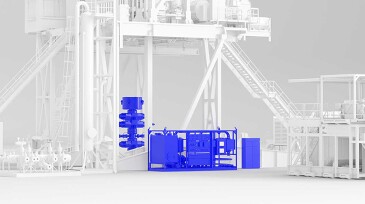
SLB is introducing a new electric well-control system to replace larger conventional, fluid‑controlled hydraulic equipment.
-
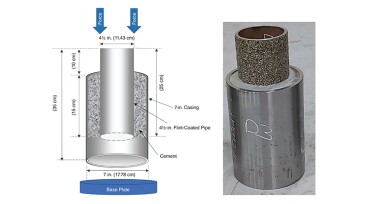
This paper addresses the deployment of an external protective coating with a rough surface profile in wells identified as susceptible to common cementing issues.
-
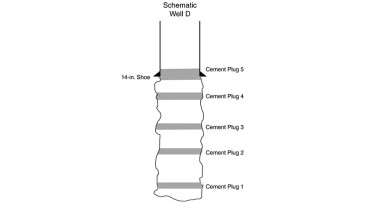
This paper provides examples for planning and execution of primary and remedial managed pressure cementing in deepwater drilling operations.
-
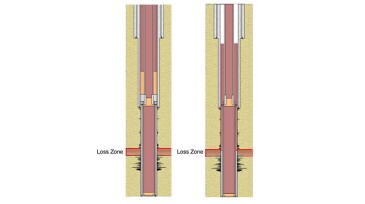
This paper presents a lost-circulation model used during design and job-evaluation phases to accurately predict top of cement and equivalent circulating densities.
-
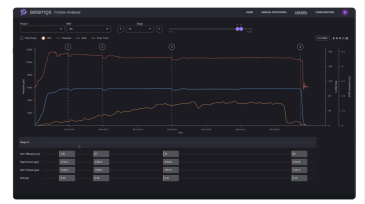
SponsoredAs operators strive to increase production under tighter budgets, traditional downhole diagnostics are falling short—too costly, complex, and time-consuming. Seismos Acoustic Friction Analysis (SAFA) offers a smarter, surface-based alternative. This white paper explores how SAFA enables real-time treatment optimization, better fracture performance, and substantial cos…
-
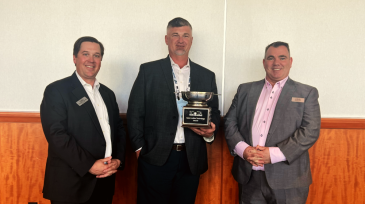
TechnipFMC, in collaboration with Halliburton, was awarded the 2025 ICoTA Intervention Technology Award and received the 2025 Curtis Blount Outstanding Paper Award.