Completions

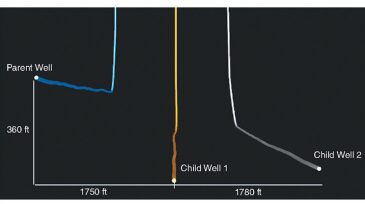
This case study presents a procedure in which the operator compared production from wells with adjusted wettability to a control group, finding that the adjustments resulted in significant improvements in production and reductions in produced water.
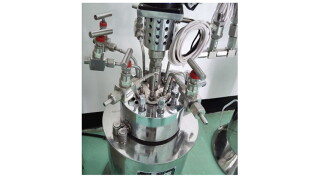
This study aims to systematically assess casing integrity and corrosion risks associated with CO2 injection in oil-recovery operations.
Output is rising fast in the South American shale play and putting Argentina on a course to soon reach 1 million B/D.
-
 Weatherford will embed INT’s IVAAP framework into the Weatherford Centro digital well delivery software, advancing its data-visualization capabilities.
 -
ExxonMobil is reluctant to join other big oil companies writing down the value of their reserves. It could chop its reserves by 20%, but it has not made a final decision.
-
A multizone water-injection project has ultimately proved a method of using intelligent completion interval-control valves in place of traditional sand-control completions in soft sand reservoirs.
-
The forces of low oil prices and new efficiency trends are converging to remake the US pressure-pumping business into one that can complete more wells with less horsepower than ever. However, that might also mean service provider margins remain low for much of this new decade.
-
The investment group Wilks Brothers, now owners of Carbo Ceramics, has sought stakes in other OFS companies this year.
-
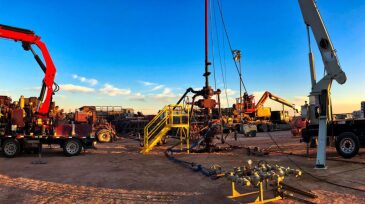
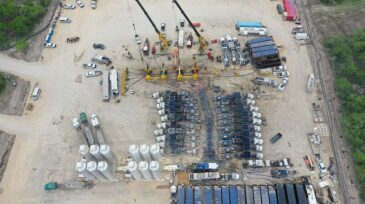
Why stimulate horizontal wells one by one when they can be done two at a time? The largest pressure-pumping company in the business says it might even be possible to complete three wells at once.
-
The contraction of the shale sector and its operations such as drilling and completions due to COVID-19 and the drop in oil price has sifted down to the frac sand suppliers.
-
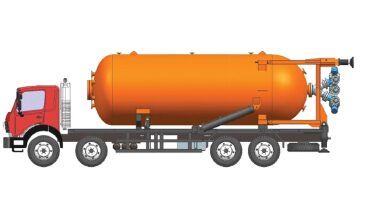
Carbon dioxide (CO2) waterless fracturing uses liquid CO2 to replace water as the fracturing fluid in reservoir stimulation. The continuity and reliability of the blender are key factors determining performance of the operation.
-
In an era where capital markets are hitting the brakes on funding the US shale sector, operators have increasingly pivoted from production growth to maximizing the rates of return via lower-cost wells.
-
A lot about the blowout preventers used for offshore drilling has changed since Macondo in 2010, but the essentials remain. This evolution serves as a case study on why some oilfield technology is hard to change.