Completions

Three papers are highlighted as the primary contributions because of their broad industry relevance. They focus on improving formation particle-size characterization, expanding the application of openhole gravel packs in depleted and compartmentalized reservoirs, and advancing the understanding of capillary pressure in sand production.

This paper discusses the successful execution of two openhole gravel-pack completions in two Gulf of Mexico fields with depleted reservoirs.

This edition highlights three offshore technology papers that address a common industry theme: how targeted engineering solutions can reduce uncertainty, shorten operations, and make technically constrained offshore well activities more executable.
-
 In this case study, a geomechanics-based approach was used to create bridging and sealing at the fracture aperture using a biparticle self-degradable lost-circulation-fluid system.
 -
The objective of this paper is to apply a developed workflow to determine the propped hydraulic fracture geometry in a horizontal multistage fractured well, incorporating production, pressure, and strain data.
-
Outstanding papers over the past year have addressed topics such as casing deformation, well spacing, frac-design optimization, proppant transport in the well or in fractures, integrating diagnostics from field trials, and exploring the effects of lateral length on production.
-
Operators from across the region met in Muscat to share how lessons from pilot programs are shaping cost, scale, and technology priorities across the region.
-
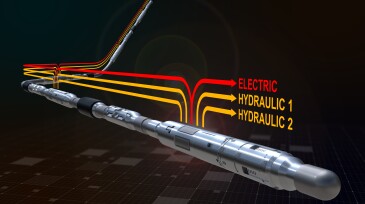
SponsoredSince 1997, intelligent completions have transformed reservoir management, but adoption remains limited due to perceived complexity. The industry reached a pivotal moment with the development of next-generation technologies that address longstanding challenges and offer simpler operation solutions.
-
As reservoirs become more complex and economics tighter, the industry is shifting toward more-adaptive, data-informed, and targeted solutions. New research highlights innovative solutions that not only address technical limitations in existing designs but also enhance decision-making through digitalization and cross-disciplinary integration. The papers highlighted her…
-
With artificial intelligence and online training both on the rise, it's crucial to ensure workers and companies treat safety as more than a box-checking exercise.
-
In today’s era of asset management, digital twins are changing risk management, optimizing operations, and benefitting the bottom line.
-
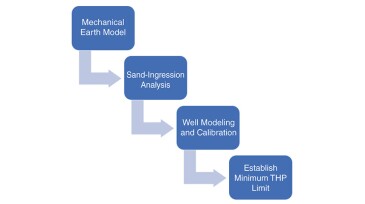
This paper describes an automated workflow that helps mitigate sanding caused by excessive drawdown by determining the minimum tubinghead pressure.
-
The dynamic realm of offshore drilling and completion continually sees the development of innovative technologies aimed at enhancing safety, efficiency, and cost-effectiveness. This edition highlights three papers showcasing transformative potential within the industry.