Data & Analytics

The emerging vision is an industry where engineers focus on judgment, risk assessments, and accountability.

Novel lift systems, AI-driven automation, and real-time engineering models are helping operators extract more value from mature wells.

This case study from Tomax outlines the use of artificial intelligence to analyze high-fidelity data of the full drilling process.
-
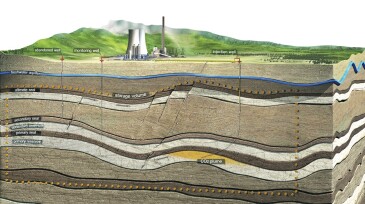
 The digital repository will use a hybrid cloud architecture to provide subsurface data for the Norwegian Petroleum Directorate.
-
SponsoredRead the latest research about data management's role in supporting digital transformation in the upstream industry.
-
SponsoredWhite Paper—The Ultimate Guide to e-Permit to Work: The Top Three Benefits of Moving Away From PaperMoving to an electronic permitting process can ensure proper and timely authorizations for work between office and field.
-
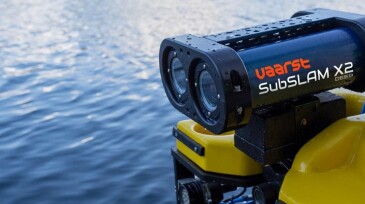
Vaarst, a spinoff from subsea robotic and hydrographic survey company Rovco, wants to accelerate advancement in ocean robotics by providing access to artificial-intelligence technology to marine and subsea providers for autonomous robotic work.
-
The honorees will be recognized later this year at the OTC Distinguished Achievement Awards Luncheon.
-
GeoMark’s RFDbase contains raw data from every major petroleum basin in the world that can be used in training models to link subsurface characteristics to wellhead performance.
-
Petrolern has received a $1.15-million grant from the US Department of Energy to develop and commercialize its technology that models in-situ stresses by using available data.
-
The market may be different from what we have previously experienced, but the path to a successful digital transformation is durable and the core principles of success have not changed.
-
Anomalies in heart function can be diagnosed in real time by measuring an electrical signal. Petroleum engineers have adapted the concept to diagnose anomalous drilling conditions in real time using a shock signature recorded downhole.
-
Oslo-based consultancy Rystad Energy sees the potential for robots and automation to replace up to 400,000 roles in North America, Europe, and Russia by 2030. The timeline is not guaranteed, though, and will move at a speed set by human decision making.