Data & Analytics

This research focuses on combining physics-based expert rules with machine learning to improve the detection of failure-related events in electrical submersible pumps.

A combination of physics principles and machine-learning techniques is used in this work to develop a virtual flowmeter for oil-production optimization in electrical-submersible-pump-lifted oil wells, resulting in reliable generalization.

This paper presents the deployment of an artificial intelligence-enabled autonomous gas lift optimization system, integrating real-time centralized advanced process control with cloud-based analytics to enhance artificial gas lift performance in producer wells.
-
 A new report from GlobalData provides an overview of the digitalization efforts within the industry and their potential to transform operations.
 -
A recent survey conducted by Rackspace Technology reveals new attitudes about using the cloud, including a change from using the public cloud to using private, on-site clouds or a hybrid of the two.
-
This study examines the implementation of a predictive maintenance method using artificial intelligence and machine learning for offshore rotating production-critical equipment. Conducted over 2 years at Murphy Oil’s deepwater platforms in the Gulf of Mexico, the project aimed to detect equipment issues early, reduce downtime, and streamline maintenance processes.
-
Moving from use cases to enterprisewide AI is more than a technology challenge. It requires anchoring on value, feedback, and innovation.
-
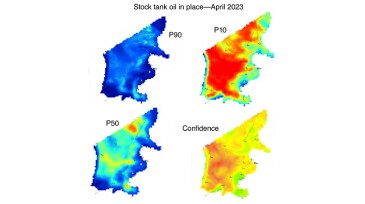
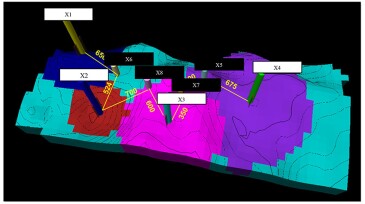
This paper focuses on the vital task of identifying bypassed oil and locating the remaining oil in mature fields, emphasizing the significance of these activities in sustaining efficient oilfield exploitation.
-
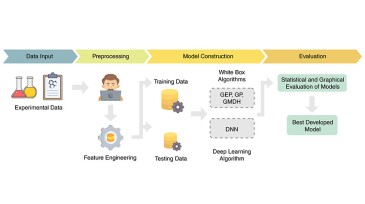
The objective of this study is to develop an explainable data-driven method using five different methods to create a model using a multidimensional data set with more than 700 rows of data for predicting minimum miscibility pressure.
-
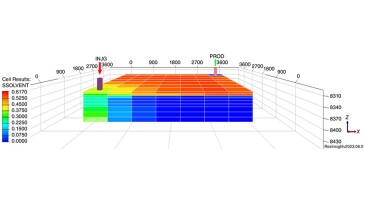
The authors present an open-source framework for the development and evaluation of machine-learning-assisted data-driven models of CO₂ enhanced oil recovery processes to predict oil production and CO₂ retention.
-
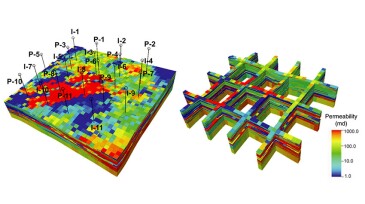
The authors of this paper propose hybrid models, combining machine learning and a physics-based approach, for rapid production forecasting and reservoir-connectivity characterization using routine injection or production and pressure data.
-
his paper investigates the challenges faced in the development of mature and tight fields, primarily resulting from reservoir depletion, high operational costs, and uncertainty in reserves volumetric calculations.
-
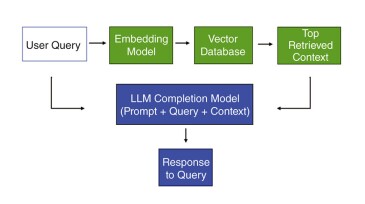
This paper tests several commercial large language models for information-retrieval tasks for drilling data using zero-shot, in-context learning.