Data & Analytics

This research focuses on combining physics-based expert rules with machine learning to improve the detection of failure-related events in electrical submersible pumps.

A combination of physics principles and machine-learning techniques is used in this work to develop a virtual flowmeter for oil-production optimization in electrical-submersible-pump-lifted oil wells, resulting in reliable generalization.

This paper presents the deployment of an artificial intelligence-enabled autonomous gas lift optimization system, integrating real-time centralized advanced process control with cloud-based analytics to enhance artificial gas lift performance in producer wells.
-
 The trial phase of the agentic program used AI agents and combined large-language-model technology with data collected from more than 15% of ADNOC’s onshore and offshore wells.
 -
SLB said it plans to integrate INT’s technology into its digital data and artificial intelligence platforms.
-
Chevron’s announcement comes on the heels of ExxonMobil’s announcement in December of a similar project to deliver natural gas-fueled electricity to US data centers.
-
The authors make the case that data science captures value in well construction when data-analysis methods, such as machine learning, are underpinned by first principles derived from physics and engineering and supported by deep domain expertise.
-
These papers provided insights and advances into field-operations automation, machine-learning-assisted petrophysical characterization, and fluid-distribution analysis in unconventional assets.
-
This paper presents a complete digital workflow applied to several greenfields in the Asia Pacific region that leads to successful deep-transient-testing operations initiated from intelligent planning that positively affected field-development decisions.
-
This study introduces a cleanup- and flowback-testing approach incorporating advanced solids-separation technology, a portable solution, equipment automation, improved metallurgy, and enhanced safety standards.
-
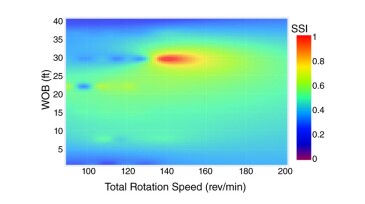
In this paper, the authors propose a regression machine-learning model to predict stick/slip severity index using sequences of surface measurements.
-
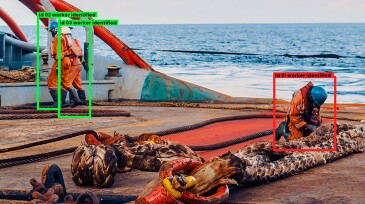
From optimizing drilling performance to enhancing worker safety, computer vision can change how the industry works.
-
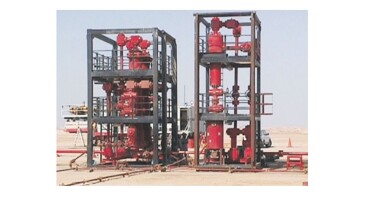
Located 230 km south of Abu Dhabi, the onshore Shah field produces around 70,000 B/D of crude.