Data & Analytics

Switching from continuous circulation to cyclic huff-‘n’-puff operation in enhanced geothermal systems can significantly delay thermal breakthrough, sustain higher production temperatures, and improve long-term economic performance.

The two companies say they plan to work together to use agentic AI to increase the capabilities of technical experts.

This article is the first in a Q&A series from the SPE Methane Emissions Management Technical Section (MEMTS) on methane intelligence and how oil and gas teams translate emissions data into credible decisions and measurable reductions.
-
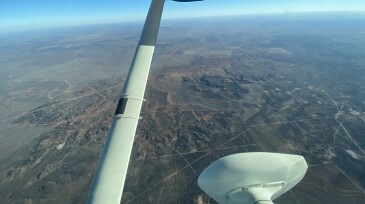
 Two wings and a few hours can replace dozens of boots and many months in site selection, planning, and management.
 -
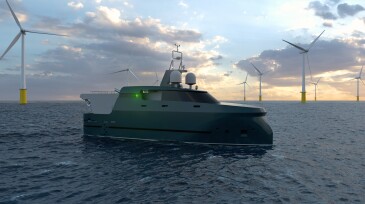
Norway’s USV joint venture will launch its first unmanned offshore surface vessel in 2025 to support subsea inspection, maintenance, and repairs.
-
The industry's increasing dependence on digital systems has escalated the importance of robust cybersecurity strategies, presenting an array of unprecedented challenges.
-
SPE and Project Innerspace are organizing the first Geothermal AInnovation Competition. Teams from around the world are invited to participate in this virtual competition aimed at showcasing the potential of AI-assisted work flows in the geothermal life cycle.
-
The Brazilian major said it plans to integrate the software throughout its exploration, development, and production operations.
-
The US-based drilling contractor is buying the drilling technology company just three weeks after announcing a merger with NexTier Oilfield Solutions.
-
Cyber risks facing the oil and gas industry continue to grow. Legal requirements, likewise, are continuing to expand. This article summarizes how these trends may affect oil and gas companies and describes steps companies can take to stay ahead of the curve.
-
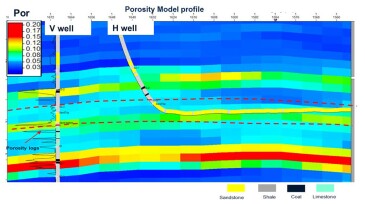
The authors of this paper describe a solution using machine-learning techniques to predict sandstone distribution and, to some extent, automate the process of optimizing well placement.
-
This paper describes a work flow that integrates data analysis, machine learning, and artificial intelligence to unlock the potential of large relative permeability databases.
-
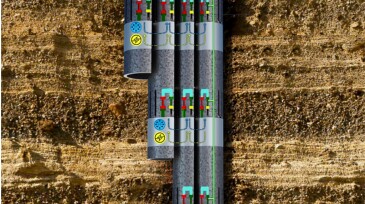
This paper presents an intelligent tube solution that combines data retrieved by the sensors with the actual resistance of each pipe in the well to allow adjustment of production parameters while ensuring installation safety.