Data & Analytics

Sponsored
With operators under pressure to deliver more energy with fewer resources, predictable drilling performance is more important than ever. Discover how a unified digital workflow can turn drilling data into better decisions and consistent execution—providing the foundation for autonomous drilling and more predictable, profitable, and productive wells at scale.
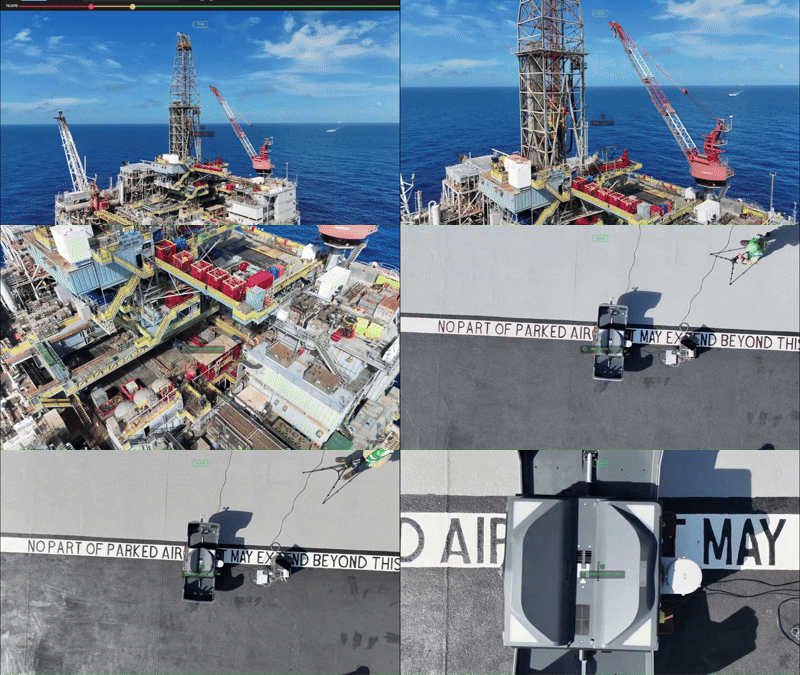
Shell has demonstrated drone-in-a-box operations from its Mars floating production unit, becoming the first operator in the region to secure FAA approval for self-approved offshore beyond-visual-line-of-sight flights. JPT Senior Technology Editor Jennifer Pallanich visited Shell Technology Center Houston to see the system in action.

Panelists at the SPE Subsea Well Intervention Symposium discussed where AI is delivering value today, where risks remain, and how engineers can best determine its usefulness.
-
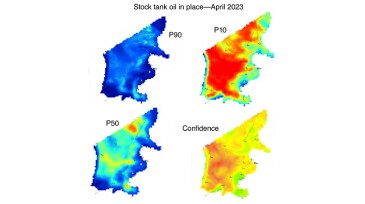
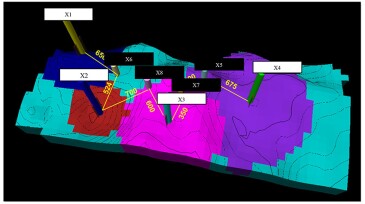
 This paper focuses on the vital task of identifying bypassed oil and locating the remaining oil in mature fields, emphasizing the significance of these activities in sustaining efficient oilfield exploitation.
 -
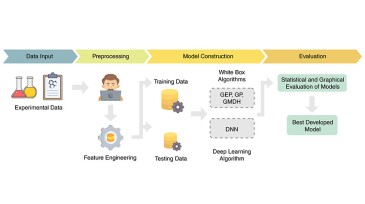
The objective of this study is to develop an explainable data-driven method using five different methods to create a model using a multidimensional data set with more than 700 rows of data for predicting minimum miscibility pressure.
-
In this study, artificial-intelligence techniques are used to estimate and predict well status in offshore areas using a combination of surface and subsurface parameters.
-
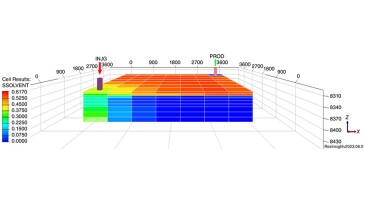
The authors present an open-source framework for the development and evaluation of machine-learning-assisted data-driven models of CO₂ enhanced oil recovery processes to predict oil production and CO₂ retention.
-
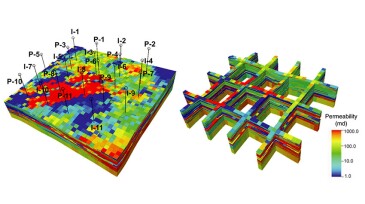
The authors of this paper propose hybrid models, combining machine learning and a physics-based approach, for rapid production forecasting and reservoir-connectivity characterization using routine injection or production and pressure data.
-
his paper investigates the challenges faced in the development of mature and tight fields, primarily resulting from reservoir depletion, high operational costs, and uncertainty in reserves volumetric calculations.
-
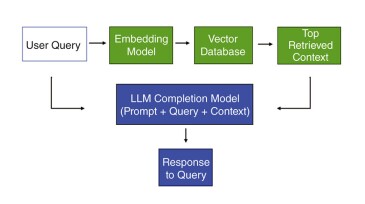
This paper tests several commercial large language models for information-retrieval tasks for drilling data using zero-shot, in-context learning.
-
Almost every day, petroleum engineers are coming to realize that they’ve got an arsenal of good ideas on how to leverage large, messy data sets to add value to their businesses. Those who have enlisted in the Analytics Army have progressed from siloed digitalization attempts to well-concerted digital transformation strategies that reflect high levels of organizational…
-
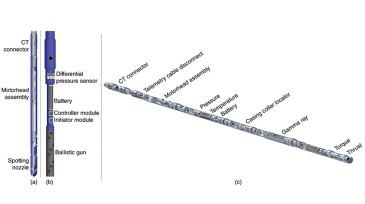
Given the diversity of coiled tubing well-intervention data, many acquisition labels are often missing or inaccurate. The authors of this paper present a multimodal framework that automatically identifies job type and technologies used during an acquisition.
-
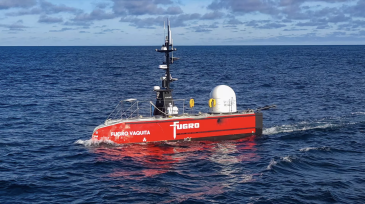
The planned use of an uncrewed surface vessel to inspect shallow-water infrastructure for Petrobras follows a previous remote operation survey for the operator.