Data & Analytics

Switching from continuous circulation to cyclic huff-‘n’-puff operation in enhanced geothermal systems can significantly delay thermal breakthrough, sustain higher production temperatures, and improve long-term economic performance.
The two companies say they plan to work together to use agentic AI to increase the capabilities of technical experts.

This article is the first in a Q&A series from the SPE Methane Emissions Management Technical Section (MEMTS) on methane intelligence and how oil and gas teams translate emissions data into credible decisions and measurable reductions.
-
 One of the major characteristics of petroleum data analytics is its incorporation of explainable artificial intelligence (XAI). Predictive models of petroleum data analytics are not represented through unexplainable black-box behavior. Predictive models of petroleum data analytics are reasonably explainable. This first part of a two-part series presents the history of…
 -
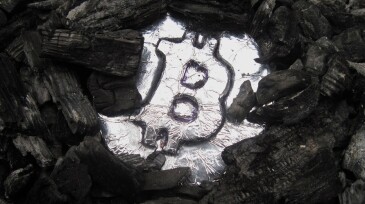
The carbon footprint of Bitcoin and other cryptocurrencies has been making headlines recently. This article explains what drives their energy consumption and presents alternative approaches.
-
The digital project is designed to deliver data management and insight across Aramco’s entire drilling fleet, making it the largest deployment in Baker Hughes’ history.
-
Being able to deploy machine-learning applications at the edge is the key to unlocking a multibillion-dollar market. TinyML is the art and science of producing machine-learning models frugal enough to work at the edge, and it's seeing rapid growth.
-
Earlier this year, 19 teams competed in a machine-learning contest held by the Data Analytics Study Group of SPE’s Gulf Coast Section. The was the first competition of its kind for SPE. Here, the organizers of the contest present some of the techniques used and lessons learned from the Machine Learning Challenge 2021.
-
“What is the drilling state” has become an important question among data scientists and automation experts. The simplest definition of a complicated concept is that it is what the driller is doing at the time.
-
Can a camera on the drill floor, or one on a mobile phone, measure what is going on during drilling or evaluate drill-bit wear more consistently than a human?
-
The scale of the recent Colonial Pipeline ransomware attack demonstrates why cyber risk should be assessed as a business risk by organizations’ C-suite, going beyond the narrower view of IT/OT network risk.
-
A growing volume of free data and reports from US shale fracturing test sites is available, with more on the way.
-
SponsoredWell monitoring hasn’t been easy. But it’s something that has to be done. Remote oil and gas wells are notoriously difficult to monitor. But new technology may make them some of the most advanced sites out there.