Data & Analytics

Switching from continuous circulation to cyclic huff-‘n’-puff operation in enhanced geothermal systems can significantly delay thermal breakthrough, sustain higher production temperatures, and improve long-term economic performance.

The two companies say they plan to work together to use agentic AI to increase the capabilities of technical experts.

This article is the first in a Q&A series from the SPE Methane Emissions Management Technical Section (MEMTS) on methane intelligence and how oil and gas teams translate emissions data into credible decisions and measurable reductions.
-
 To provide condition monitoring and combat fouling, the robot clings and moves along the hull walls. It is controlled via a 4G connection to clean and inspect the walls in line with individual vessel schedules developed through a proprietary algorithm and big data.
 -
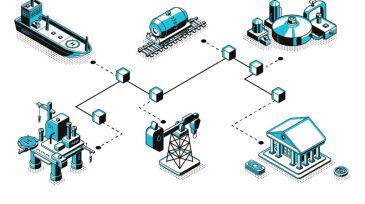
Industrial blockchain network Data Gumbo has facilitated real-time tracking of lease operating expenses for oil and gas operators by using validated field-operating data to trigger automated payments based on agreed terms.
-
The agreement will use IBM’s hybrid-cloud technology and Red Hat’s OpenShift platform to expand access to Schlumberger’s Delfi exploration and production software suite.
-
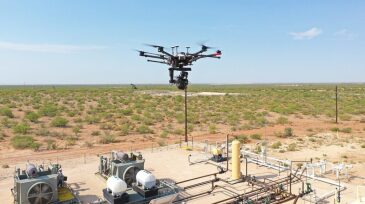
After 2 years of testing, Shell is going all in on using high-flying technology to catch methane leaks to reduce its overall emissions to less than 1%.
-
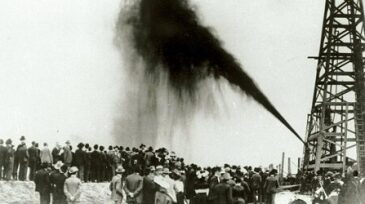
The oil and gas industry has a new Spindletop, and it’s nowhere near being capped. In this data boom, the industry is up to its neck in petabytes of data, generating thousands of terabytes per day, with the volumes doubling every 12–18 months, and using less than 5% of it for decision making.
-
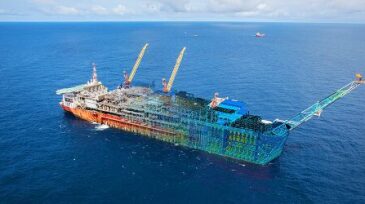
The engineering simulation firm announced the successful deployment of a complete structural digital twin for Shell’s Bonga floating production, storage, and offloading vessel 120 km southwest of the Niger Delta in Nigeria.
-
Advanced machine-learning methods combined with aspects of game theory are helping operators understand the drivers of water production and improve forecasting and economics in unconventional basins.
-
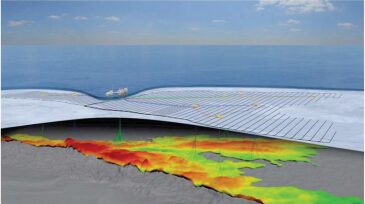
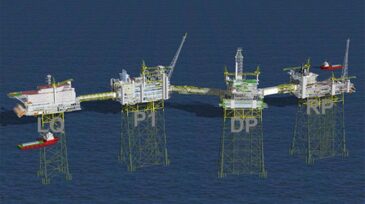
Before the giant Johan Sverdrup field had produced even one barrel of oil, operator Equinor and its license partners set a recovery ambition of greater than 70% for the field.
-
This paper presents the basic concepts and architecture of the Eni Reservoir Electromagnetic Mapping borehole electromagnetic mapping system that integrates borehole EM methodology with surface EM methods to provide real-time mapping of reservoir-fluid distribution during production or injection.
-
The complete paper describes the development of the “digital field worker” at Johan Sverdrup, an initiative that has changed the approach toward not only construction and completion but also operations.