Data mining/analysis

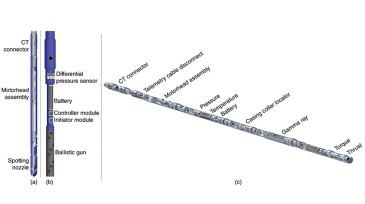
This case study presents the first field deployment of acoustic fracturing analysis to evaluate perforation efficiency and implement real-time interventions during pressure pumping.

This paper introduces in-pipe inspection technologies enabling high-resolution digital measurements of tubular internal diameter and wall thickness for critical downhole applications.

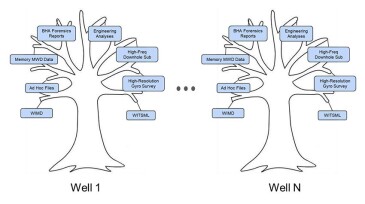
This paper describes an approach to creating a digital, interconnected workspace that aligns sensor data with operational context to place the completions engineer back into a central role.
-
 The authors make the case that data science captures value in well construction when data-analysis methods, such as machine learning, are underpinned by first principles derived from physics and engineering and supported by deep domain expertise.
 -
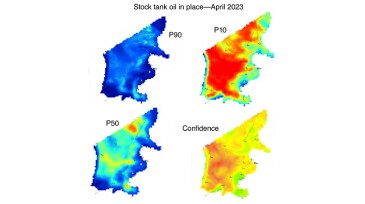
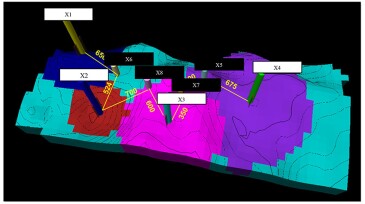
This paper focuses on the vital task of identifying bypassed oil and locating the remaining oil in mature fields, emphasizing the significance of these activities in sustaining efficient oilfield exploitation.
-
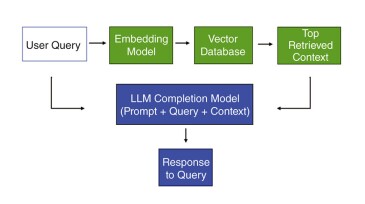
This paper tests several commercial large language models for information-retrieval tasks for drilling data using zero-shot, in-context learning.
-
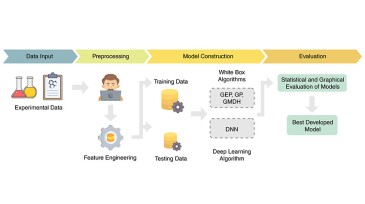
The objective of this study is to develop an explainable data-driven method using five different methods to create a model using a multidimensional data set with more than 700 rows of data for predicting minimum miscibility pressure.
-
In this study, artificial-intelligence techniques are used to estimate and predict well status in offshore areas using a combination of surface and subsurface parameters.
-
his paper investigates the challenges faced in the development of mature and tight fields, primarily resulting from reservoir depletion, high operational costs, and uncertainty in reserves volumetric calculations.
-
Almost every day, petroleum engineers are coming to realize that they’ve got an arsenal of good ideas on how to leverage large, messy data sets to add value to their businesses. Those who have enlisted in the Analytics Army have progressed from siloed digitalization attempts to well-concerted digital transformation strategies that reflect high levels of organizational…
-
Given the diversity of coiled tubing well-intervention data, many acquisition labels are often missing or inaccurate. The authors of this paper present a multimodal framework that automatically identifies job type and technologies used during an acquisition.
-
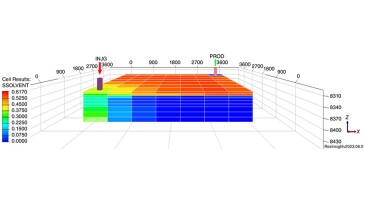
The authors present an open-source framework for the development and evaluation of machine-learning-assisted data-driven models of CO₂ enhanced oil recovery processes to predict oil production and CO₂ retention.
-
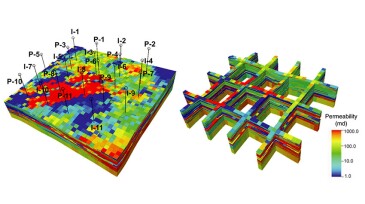
The authors of this paper propose hybrid models, combining machine learning and a physics-based approach, for rapid production forecasting and reservoir-connectivity characterization using routine injection or production and pressure data.