Decarbonization

This paper presents a flexible, highly cost- and energy-efficient method of gas separation and CO₂ capture from many different gas mixtures with a large range of CO₂ concentrations.

This study explores the carbon-capture and mineralization potential of ultramafic rock powders when exposed to flue gases generated from combustion of crude oil and mesquite-derived charcoal.

This paper presents an approach for safe, efficient, and cost-effective legacy well reabandonment.
-
 ExxonMobil and Aramco CEOs talk molecules, electrons, and the need to "abandon the fantasy of phasing out oil and gas" at the "Super Bowl of Energy" in Houston.
 -
The two companies have formed an S-Hub consortium to evaluate and develop a cross-border carbon capture and storage project for reducing carbon dioxide emissions in Singapore.
-
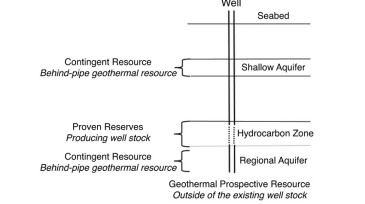
This paper provides insights into the technical and economic viability of repurposing oil and gas wells for geothermal energy production for direct heating.
-
This paper discusses and evaluates retrofitting abandoned petroleum wells for geothermal applications as a commonly proposed solution to meet the challenge of the capital expenditure required for drilling and completion.
-
This paper provides an overview of a geothermal assessment project completed to assess geothermal energy resources in and around an operational high-pressure/high-temperature field on the UK Continental Shelf.
-
The long, successful history of various metallurgies in EOR wells has been cited as sufficient to allow the same completions for CCS injection wells. The lack of actual data on the long-term performance of these alloys in EOR wells in combination with the more-stringent requirements for Class VI wells suggests otherwise.
-
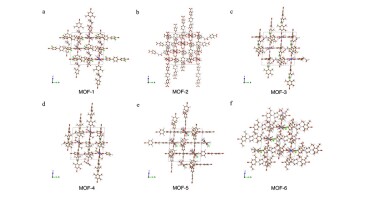
Artificial intelligence is increasingly being used to assist in the development of materials, including metal-organic frameworks (MOFs), to advance carbon capture technologies. Researchers assembled more than 120,000 new MOF candidates within 30 minutes.
-
SponsoredWith almost three-quarters of the global greenhouse gas emissions coming from the energy sector, there is a heavy burden and a huge responsibility on the shoulders of all countries of the world to transform the energy sector to be cleaner and greener by eliminating these emissions.
-
With a successful pilot under its belt, Thailand's national oil company is planning a bigger production unit.
-
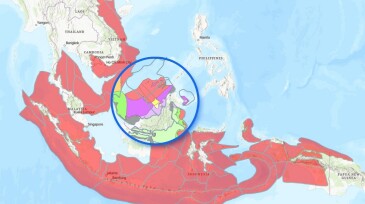
The company has added a new Southeast Asia carbon storage study to its growing library of carbon capture, use, and storage opportunities.