Digital Oil Field

This research focuses on combining physics-based expert rules with machine learning to improve the detection of failure-related events in electrical submersible pumps.

This paper presents the deployment of an artificial intelligence-enabled autonomous gas lift optimization system, integrating real-time centralized advanced process control with cloud-based analytics to enhance artificial gas lift performance in producer wells.

A combination of physics principles and machine-learning techniques is used in this work to develop a virtual flowmeter for oil-production optimization in electrical-submersible-pump-lifted oil wells, resulting in reliable generalization.
-
 SponsoredWhite Paper—The Ultimate Guide to e-Permit to Work: The Top Three Benefits of Moving Away From PaperMoving to an electronic permitting process can ensure proper and timely authorizations for work between office and field.
 -
The infrastructure engineering software firm is expected to pay more than $1 billion to acquire geological and geophysical modeling software developer Seequent.
-
According to a World Economic Forum report, digital transformation in the oil and gas industry could unlock approximately $1.6 trillion of value for the industry, its customers, and wider society while creating around $1 trillion of value for oil and gas firms.
-
Technology is advancing, and applications are growing, but scaling faces technological and human challenges.
-
COVID-19 has significantly accelerated the adoption of digital technologies across all industries, and the oil and gas industry has been no exception. As such, interest in digital data acquisition, which is the backbone of all digital transformation work flows, also has increased significantly.
-
The customizable Internet of things service is designed for monitoring onshore and offshore remote assets.
-
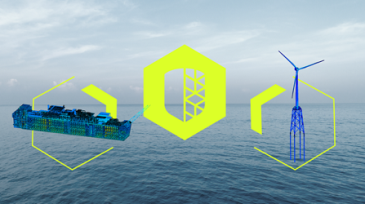
The agreement will see Akselos become one of the global energy company’s verified suppliers for structural integrity assessments, forming part of Shell’s newly formed Digital Twin Platform.
-
The AI partnership combines Wood’s optimization platforms with Cognite’s Data Fusion product to develop solutions for the energy transition and free up data from fragmented and legacy systems.
-
A systematic approach to ensure quality assurance is intended to build confidence and accelerate the uptake of digital twins.
-
New guidelines from the European Union Agency for Cybersecurity recommend that all stages of the IoT device lifecycle need to be considered to help ensure devices are secure.