Drilling

This paper aims to establish a set of best practices for generating particle-size-distribution data from core samples.

This paper discusses the successful execution of two openhole gravel-pack completions in two Gulf of Mexico fields with depleted reservoirs.

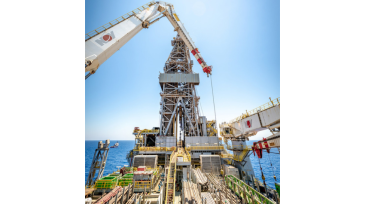
This edition highlights three offshore technology papers that address a common industry theme: how targeted engineering solutions can reduce uncertainty, shorten operations, and make technically constrained offshore well activities more executable.
-
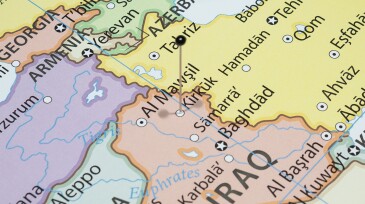
 In a deal described as possibly "one of the most important transactions BP has done in 20 years" by CEO Murray Auchincloss, the company has agreed contractual terms with the Iraqi government to invest in drilling and infrastructure to rehabilitate and boost production at the Kirkuk oil field.
 -
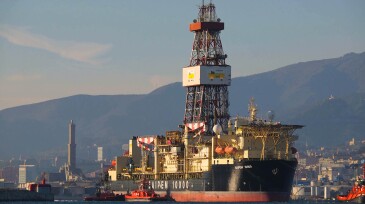
Soft demand and mounting stacking costs drove decisions by Noble and Valaris to move on from units.
-
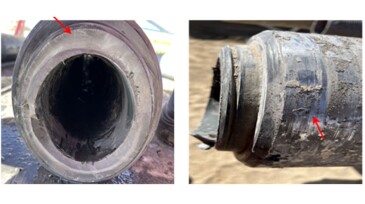
This paper proposes a methodology for preventing drillstring fatigue and failure in deep wells with large shallow doglegs.
-
Everywhere you look these days, there is talk of how advances in big data, artificial intelligence, and machine learning will revolutionize virtually every aspect of our lives. This month, we will look at how researchers in the drilling domain are using this potential to improve well construction.
-
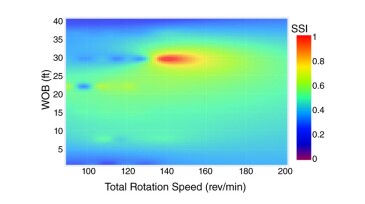
In this paper, the authors propose a regression machine-learning model to predict stick/slip severity index using sequences of surface measurements.
-
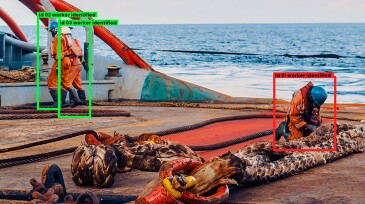
From optimizing drilling performance to enhancing worker safety, computer vision can change how the industry works.
-
By boosting gas supplies to Egypt’s home market, Cairo can return its focus to developing an LNG export hub.
-
This selection of cutting-edge articles spotlights how experimental concepts are now driving cost-saving strategies in unconventional development. It’s a reminder that innovation often comes from creative thinking, not just new tools or tech partnerships.
-
The new wells at Zohr are key to a plan to return Egypt’s gas production back to “pre-crisis” levels by June 2025.
-
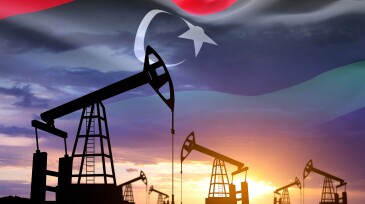
The Libyan National Oil Company plans to tender 22 onshore/offshore exploration blocks in 2025 as it works to rebuild credibility with foreign oil producers.