Drilling

This paper aims to establish a set of best practices for generating particle-size-distribution data from core samples.

This paper discusses the successful execution of two openhole gravel-pack completions in two Gulf of Mexico fields with depleted reservoirs.

This edition highlights three offshore technology papers that address a common industry theme: how targeted engineering solutions can reduce uncertainty, shorten operations, and make technically constrained offshore well activities more executable.
-
 This paper describes an openhole wireline-logging operation in a deepwater Gulf of Mexico well in a high-pressure/high-temperature slimhole environment using water-based reservoir drilling fluid.
 -
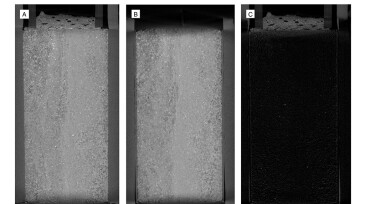
The authors of this paper present results of a study that examined formation-damage mechanisms caused by drilling fluids in tight reservoirs in onshore oil fields in Abu Dhabi.
-
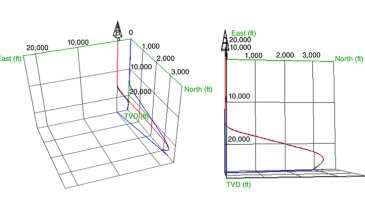
The paper presents predicted vs. measured wear for six wells in the Culzean field, a high-pressure/high-temperature gas condensate field in the central North Sea.
-
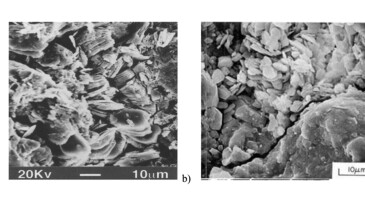
The authors of this paper present a laboratory-based model to determine the detachment of authigenic and detrital particles in formation damage.
-
The authors of this paper discuss a biosurfactant treatment that offers an economical method for remediation of formation damage caused by high-molecular-weight paraffin wax deposition in porous media.
-
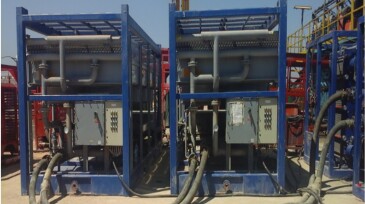
This paper reviews the successful application of a mud-cooling and managed-pressure-drilling system in a high-pressure/high-temperature well to explore the potential of a Mesozoic carbonate platform in the Nile Delta of Egypt.
-
Environmental report recommends shrinking the Alaska project to three drilling sites from the five initially proposed by ConocoPhillips.
-
With the arrival of the digital age, solutions in big data, automation, and artificial intelligence are rapidly opening the door to a deeper and more-comprehensive understanding of drilling operations around the world.
-
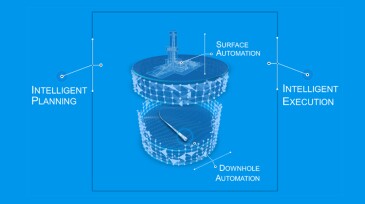
The authors of this paper present an autonomous directional-drilling framework built on intelligent planning and execution capabilities and supported by surface and downhole automation technologies.
-
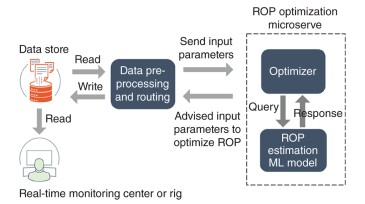
The authors of this paper discuss a global rate-of-penetration machine-learning model with the potential to eliminate learning curves and reduce time and costs associated with developing a new model for every field.