Emission management

TotalEnergies signed off for 30% operated stakes in the Lang Lebah and B14 gas fields offshore Sarawak on the sidelines of ADIPEC in Abu Dhabi, while also highlighting methane-reduction partnerships in Angola, India, and Southeast Asia.

More than half of 2025’s emissions reductions came from action at operating facilities, helping drive a 7% annual decline and a 37% drop since 2018.

This paper presents a flexible, highly cost- and energy-efficient method of gas separation and CO₂ capture from many different gas mixtures with a large range of CO₂ concentrations.
-
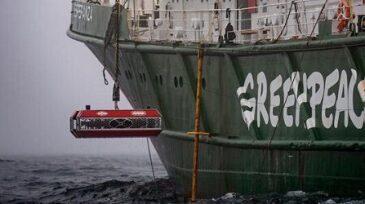
 Using an underwater remotely operated vehicle, activists on board the Greenpeace ship Esperanza documented a large methane leak in the North Sea caused by a major blowout during an oil drilling operation 30 years ago.
-
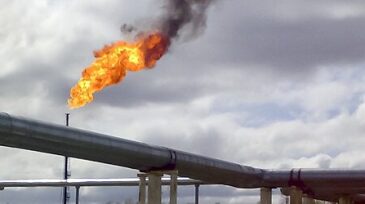
OGCI Launches $1 Million Partnership With Payne Institute To Develop Web Platform To Map Gas FlaringThe Oil and Gas Climate Initiative has announced a technical and financial sponsorship commitment of nearly $1 million to the Payne Institute for Public Policy at Colorado School of Mines to develop a transparent web platform to support real-time mapping and tracking of global gas flaring data.
-
International Environmental Standards, the new company created by the merger of Project Canary and Independent Energy Standards, will combine continuous emissions-monitoring technology with TrustWell certification to create a provider of independent environmental, social, and governance performance.
-
Although based on “intensity” and not “absolute” emissions, oil giants say it’s a step toward net-zero goals for 2050.
-
The oil and gas industry is not the largest emitter of methane, but addressing the emissions still needs to be a priority, a recent panel said. Incentivizing lower emissions, following best practices, and creating transparency are key to bringing about this change.
-
The UK’s offshore oil and gas industry has committed to halving operational emissions in the next decade, confirming its pathway to becoming a net-zero emissions basin by 2050.
-
Recommendations include changes to current forms and reports used to track flaring.
-
Machine learning enables fast, cost-effective, and accurate methane emissions detection in remote areas.
-
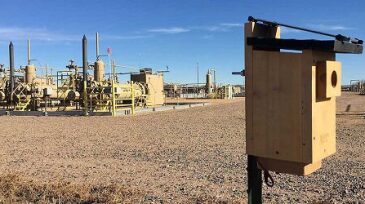
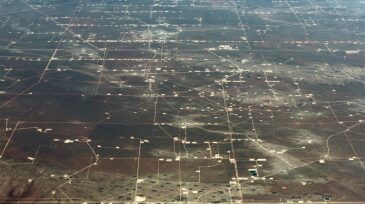
Tracking down fugitive emissions has traditionally relied on small-scale detection efforts. This new project seeks to buck the trend by covering the Permian Basin with sensors.
-
Video shows a substantial share of oil and gas flares are unlit or faulty, revealing a previously overlooked methane source that could turn out to be one of the region’s biggest.