Emission management

This paper presents a flexible, highly cost- and energy-efficient method of gas separation and CO₂ capture from many different gas mixtures with a large range of CO₂ concentrations.

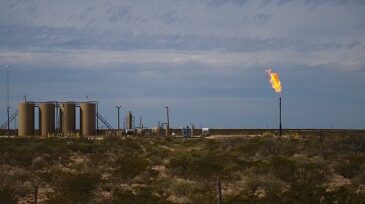
Emissions management covers a wide array of topics such as carbon capture, use, and storage; emissions monitoring; flare management; methods to improve operational efficiency; carbon accounting; and the effect of emissions management on global and local economics. The papers published in the past year span all these subcategories.

This study explores the carbon-capture and mineralization potential of ultramafic rock powders when exposed to flue gases generated from combustion of crude oil and mesquite-derived charcoal.
-
 International Environmental Standards, the new company created by the merger of Project Canary and Independent Energy Standards, will combine continuous emissions-monitoring technology with TrustWell certification to create a provider of independent environmental, social, and governance performance.
 -
Although based on “intensity” and not “absolute” emissions, oil giants say it’s a step toward net-zero goals for 2050.
-
The oil and gas industry is not the largest emitter of methane, but addressing the emissions still needs to be a priority, a recent panel said. Incentivizing lower emissions, following best practices, and creating transparency are key to bringing about this change.
-
The UK’s offshore oil and gas industry has committed to halving operational emissions in the next decade, confirming its pathway to becoming a net-zero emissions basin by 2050.
-
Recommendations include changes to current forms and reports used to track flaring.
-
Machine learning enables fast, cost-effective, and accurate methane emissions detection in remote areas.
-
Tracking down fugitive emissions has traditionally relied on small-scale detection efforts. This new project seeks to buck the trend by covering the Permian Basin with sensors.
-
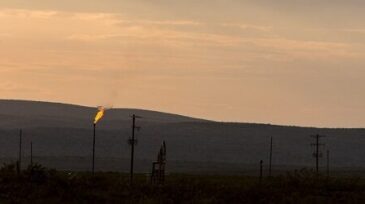
Video shows a substantial share of oil and gas flares are unlit or faulty, revealing a previously overlooked methane source that could turn out to be one of the region’s biggest.
-
Enough gas to supply 7 million homes is leaking into the atmosphere above oil fields in Texas and New Mexico, the largest plume of climate-change-driving methane pollution ever recorded over a US oil field, a new study from Harvard University and Environmental Defense Fund shows.
-
The combined effect of COVID-19 and an ongoing oil price war has ushered in one of the worst downturns for the energy industry in modern history. Yet, a bright side is shining through; flaring levels in the Permian Basin have fallen sharply and will continue to decline, a Rystad Energy report shows.