Energy transition

DNV notes that energy and industrial process-related carbon emissions will have dropped by 2050 by only 44% from today’s level, not even halfway to the net-zero pledge envisioned by the Paris climate agreement.

This study investigates the potential for in-situ hydrogen generation from hydrocarbons using in-situ combustion, with particular emphasis on the role of kerogen content and heating mode.

The new publication, created with the support of and in partnership with Project InnerSpace, looks at all aspects of the burgeoning geothermal industry.
-
 The supermajor and service company that have long been partners on oil and gas projects said they are exploring new models to fit the energy transition. They also separately announced this week new plans to expand into the hydrogen market.
-
The Great Crew Change is all but over, Gen Xers are now managing Baby Boomers, and the oil and gas industry is morphing into the energy industry. Is this the end of an era or a new start for petroleum engineering education?
-
Two years ago, a longtime petroleum engineer and former SPE President dared to speak of a future in which his discipline had seen peak employment. He’s back again with a new paper that tries to explain where things may go from here.
-
As COP26 looms, the International Energy Agency says governments must send an “unmistakable signal” about clean energy ambition and action if the world wants to avoid the worst effects of climate change.
-
Banks are finding more success with ESG-related bond sales than they are with fossil fuels. Renewable-energy firms may be able to combine the funding advantages of being a corporation with the tax advantages of being a partnership. Shell boosts solar in Brazil. And a new water-based, bio-based surfactant may be a game changer.
-
The energy transition may drive a massive increase in renewable-power capacity in the electric market, but global demand growth is expected to be so strong, liquid fuel consumption could also be much higher in 2050.
-
Flow rate is a major challenge for geothermal. However, the techniques used in shale to prevent flow localization can be applied directly to geothermal. If we can create hundreds or thousands of flowing fracture pathways around a horizontal or deviated geothermal well, then we will have truly “changed the game.”
-
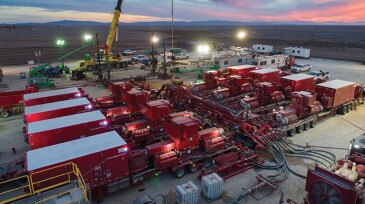
Electric-powered fracturing fleets looked impressively resilient in 2020 amid what was otherwise a significant collapse for the hydraulic fracturing sector. Today, the situation is more complicated.
-
Kamel Ben-Naceur sees petroleum engineering as essential to the energy transition not only because of the continued role that oil and gas will play in the energy mix moving forward but also because the skills of the profession are foundational and transferable.
-
Organizers of the Oil & Gas Authority’s decarbonization competition are looking for ideas to bring electrification and an integrated energy basin closer to reality.