Enhanced recovery

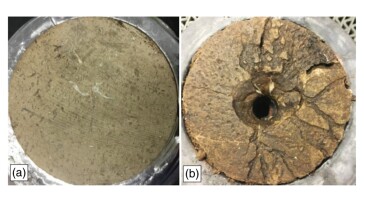
This case study presents a procedure in which the operator compared production from wells with adjusted wettability to a control group, finding that the adjustments resulted in significant improvements in production and reductions in produced water.
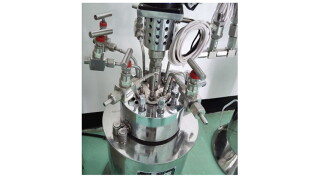
This study aims to systematically assess casing integrity and corrosion risks associated with CO2 injection in oil-recovery operations.

This paper presents a study that confirms glass-reinforced-epoxy-lined tubing as a reliable, cost-effective solution for long-term water-injection service in moderate-salinity offshore environments.
-
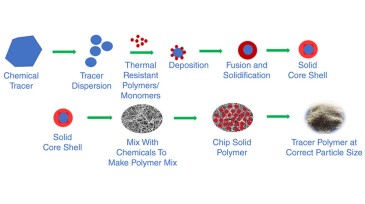
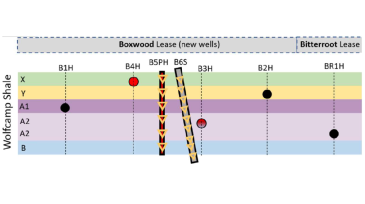
 This paper sheds light on newer frontiers of tracer applications with unconventional uses to gain flow insights from an oil and gas reservoir.
 -
SponsoredThe Wyoming Gas Injection Initiative (WGII) makes available $22 million of matching funds from the State of Wyoming to implement, in close collaboration with oil and gas operators and Dow, multiple field pilot projects in the State of Wyoming. The Initiative will fund projects over a 3- to 5-year period to support developments with significant potential to enhance wel…
-
Part 3 of this series looks at the importance of performance analysis and how to generate the economic benefit for solving conformance or sweep efficiency problems. The economic elements of this review are very basic, but they will help you to determine a more-accurate understanding of the true economic benefit.
-
This paper describes natural fractures and their effect on hydrocarbon productivity in the Vaca Muerta shale formation.
-
This paper describes efforts at the Hydraulic Fracturing Test Site 2 to collect a research data set to improve understating of spatial and temporal hydraulic fracture dimensions, proppant distribution, and reservoir depletion.
-
This study introduces a data-driven virtual viscosity meter as a tool to augment inline and laboratory viscosity measurements.
-
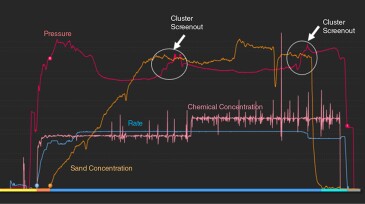
This paper presents an integrated system for fracturing optimization using real-time and historical data along with organizational knowledge and the challenges and key considerations of implementing such a system.
-
This paper describes the analysis of actual performance data for acid fracturing in a tight carbonate formation to investigate the ineffectiveness of the process.
-
This paper presents the interpretation of two polymer-injectivity tests performed in two giant light-oil high-salinity/high-temperature carbonate reservoirs onshore Abu Dhabi.
-
The authors describe a casing-leak-repair alternative to allow continued hydraulic fracturing of an unconventional formation.