Field/project development

The Absheron gas field expansion will supply additional natural gas to Azerbaijan’s domestic market and support its export commitments to Turkey, allowing Baku to stay focused on meeting its gas export obligations to Europe.

With $9.6 billion in assets in the market, the focus is shifting from who is exiting Southeast Asia to who is positioning for entry through acquisition, according to Rystad Energy.

Shell has reached FID on LNG Canada Phase 2, a major expansion that will double the Kitimat facility’s LNG export capacity to 28 mtpa and strengthen long-term supply to growing Asian markets.
-
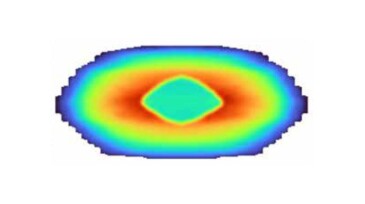
 This paper presents a systematic review of the largest alkaline-surfactant-polymer flood project in the world, applied to the largest oil field in China.
 -
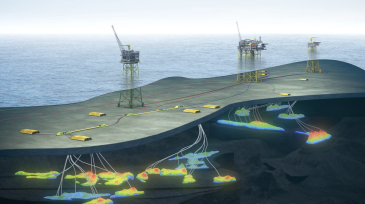
The authors of this paper write that computationally coupled models enable swift, accurate, and engineered decision-making for optimal asset development.
-
AIQ, ADNOC, and SLB announced a new software suite that integrates artificial intelligence into reservoir analysis and field development projects.
-
A drop in the number of wells drilled on the UK Continental Slope is concerning as many fields in the mature basin are reaching the point of production cessation.
-
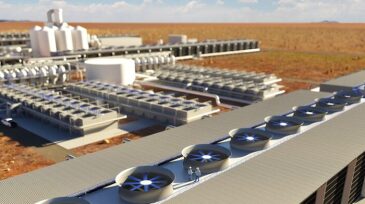
Oxy’s 1PointFive subsidiary and ADNOC plan to assess the feasibility of building the first megaton-scale DAC facility outside of the US.
-
The work scope for the project runs through year-end 2027.
-
The order builds on the expanded master equipment agreement between the companies for more than 100 mtpa of LNG.
-
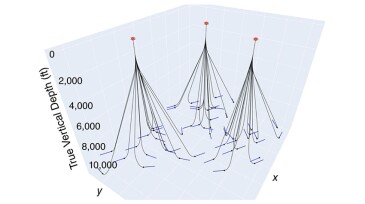
This paper presents an approach to optimize the location of wellhead towers using an algorithm based on multiple parameters related to well cost.
-
This paper describes the application of learnings from an offshore project in the Caspian to an underground gas storage project to enhance drilling performance.
-
While many expect oil and natural gas to retain their roles in the energy mix of 2050, the more significant question should not only be on how much oil and gas will be needed but from where the world will find it.