Field/project development

Assets consolidated into the Searah JV include Eni-operated deepwater gas-condensate developments in the Kutei Basin, offshore East Kalimantan, Indonesia.

Five agreements target more than 11 Tcf of offshore gas and include flare-reduction technology.
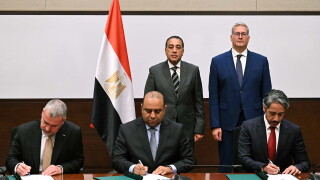
ExxonMobil and QatarEnergy’s MoU with Cairo to monetize Cyprus’ offshore Glaucus and Pegasus natural gas supports Egypt’s strategy to become the Eastern Mediterranean’s leading gas processing and LNG export hub.
-
 The two companies will collaborate to define the technology and equipment scope for an initial four-well development phase for BP’s major West African offshore gas project.
 -
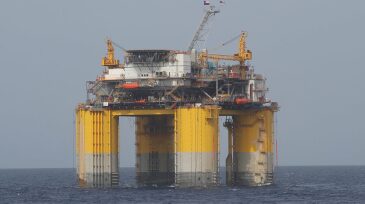
Completion of the umbilicals system marks another step toward startup for the Total-operated ultradeepwater development offshore Angola.
-
Delayed final investment decisions during the final quarter of 2017 led to more than double the combined count in 2015 and 2016.
-
The Hess-operated field, which drew first oil in January, is expected to produce 80,000 BOPD as production ramps up this year.
-
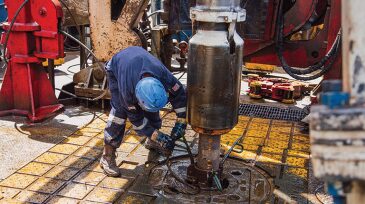
YPF has followed an unconventional path up the learning curve to develop the Vaca Muerta, which could be the first big ultratight play developed outside North America.
-
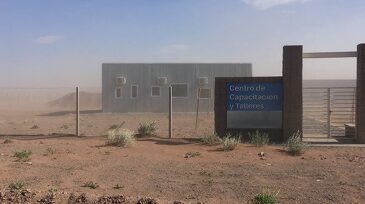
Añelo is a small town in an arid, sparsely populated area with a new supermarket, police station, bank, skate park, hotel, and hospital. In the past decade the population has roughly tripled to 7,000, and in 5 years, it is expected to nearly triple again to 20,000.
-
After Gustavo Astie, executive manager for unconventionals at YPF, presented what he thought was an aggressive growth plan for the coming year to YPF management, he was asked: Would it be possible to go faster?
-
A drive down a gravel road in the Loma Campana follows the steep early learning curve in the Vaca Muerta.
-
It is easy to fixate on what it will take to extract huge volumes of oil and gas from the nearly impermeable rock within the Vaca Muerta.
-
Noble Energy’s latest planned gas development offshore Israel will not only have a major positive impact on the host country but could transform energy sourcing for the region, Project Manager Brian Hogan told the SPE Gulf Coast Section International Study Group recently.