Fracturing/pressure pumping
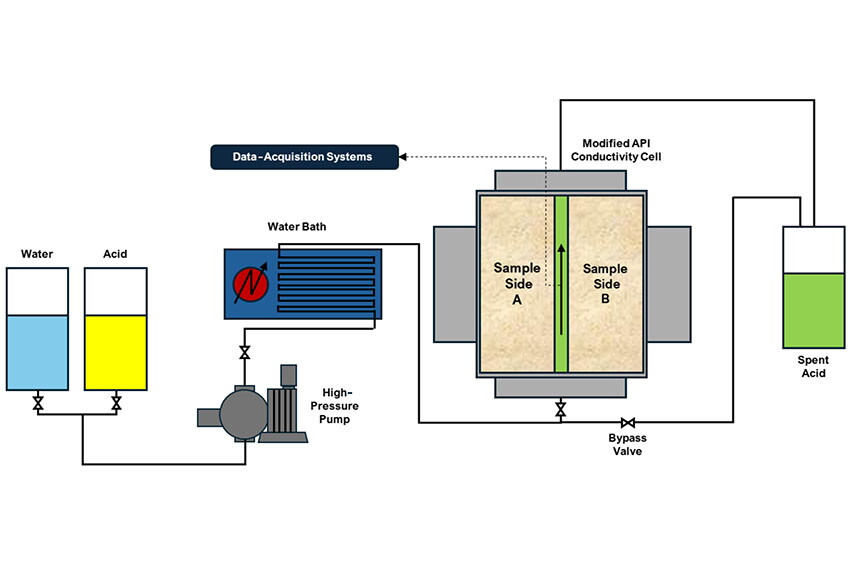
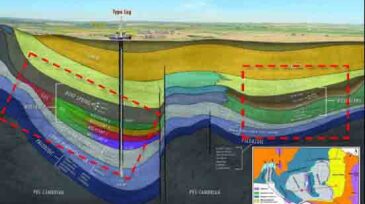
This paper presents findings reinforcing the argument that acid fracturing is a strong alternative stimulation method to improve productivity in the Austin Chalk formation.
Output is rising fast in the South American shale play and putting Argentina on a course to soon reach 1 million B/D.
This case study presents a procedure in which the operator compared production from wells with adjusted wettability to a control group, finding that the adjustments resulted in significant improvements in production and reductions in produced water.
-
 Another reminder that it costs more to coax the same amount of oil from new wells as for older wells nearby, with a closer look at the big plays and how the wells are completed.
 -
The agency updated its methodology and production volume estimates to factor increasing production from new, emerging plays as well as older plays that have rebounded thanks to drilling advancements.
-
Three papers selected from 2018 SPE ATCE look at the challenges and approaches to the treatment of increasing volumes of produced water.
-
Sourcing water for hydraulic fracturing, and disposing of produced water, are constraints and significant cost items in the Permian Basin. Some of the produced water can be treated and reused by using a water life cycle approach..
-
The struggle to overcome the challenge of frac hits has led to a critical dialogue about which pathway the shale sector should take. One idea is to simply put the problem at the center of every major decision.
-
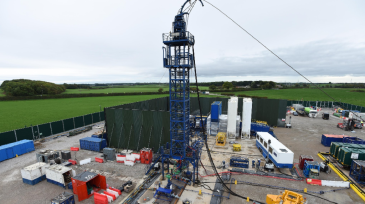
UK’s first horizontal shale well has yielded positive results after an initial flow test. But further testing—and fracturing of a second well—will have to come amid a continuation of UK’s stringent regulations on induced seismicity.
-
A new report expects US producers to drill their highest number of wells since 2014, and that completion activity may exceed drilling for the first time since 2016.
-
This paper describes a diagnostic fracture injection test-analysis program and the suitability of the results from ACAs for use in hydraulic-fracture design.
-
Diagnostic fracture injection tests (DFITs) incur direct and indirect costs resulting from the tests themselves and the extended time required for the pressure falloff, which delays the completion of the well. The benefits, therefore, must outweigh the costs if the test is to be justified.
-
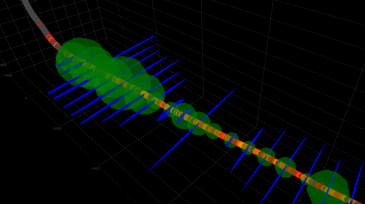
Using drilling data and a downhole acoustic signal, developers aim to assess unconventional fracture networks in real time and give engineers ability to customize each stage.