Fracturing/pressure pumping
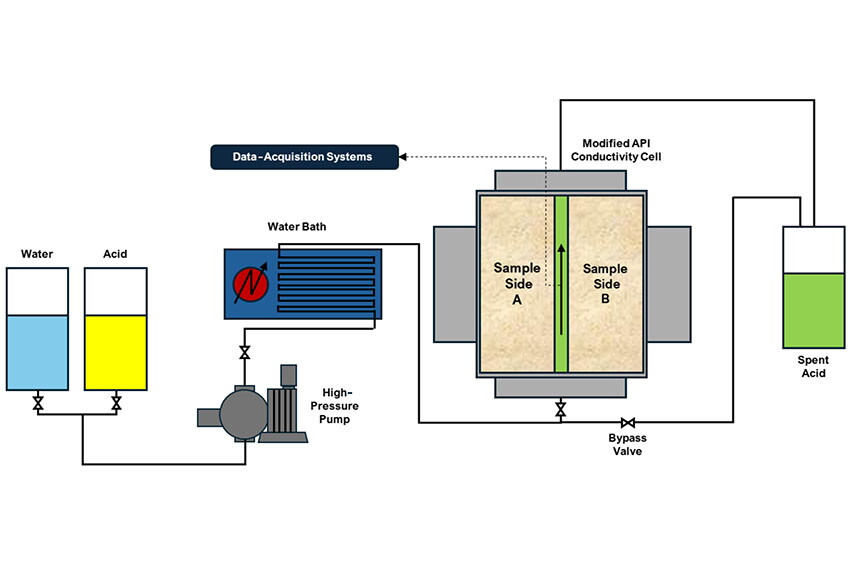
This paper presents findings reinforcing the argument that acid fracturing is a strong alternative stimulation method to improve productivity in the Austin Chalk formation.
Output is rising fast in the South American shale play and putting Argentina on a course to soon reach 1 million B/D.
This case study presents a procedure in which the operator compared production from wells with adjusted wettability to a control group, finding that the adjustments resulted in significant improvements in production and reductions in produced water.
-
 Kerogen Exploration is excited about the Vista Grande project, a Woodford Shale play in a west-Texas Permian sub-basin that offers further targets lying above in the Barnett Shale.
 -
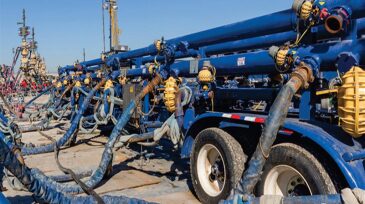
A new spread of stimulation equipment from the world’s largest service company demonstrates the latest significant step to creating a more automated oilfield.
-
A closer look at technological and mechanical solutions being developed to limit exposure to respirable silica dust during hydraulic fracturing operations in the wake of US government regulations.
-
In North America’s most active shale fields, the drilling and hydraulic fracturing of new wells is directly placing older adjacent wells at risk of suffering a premature decline in oil and gas production.
-
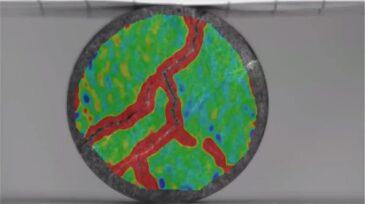
Technology that allows researchers to see stress forming inside rock samples may help unravel some of the mysteries associated with fracture behavior.
-
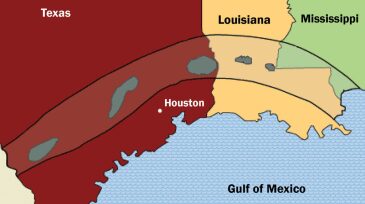
The Austin Chalk play could go through a revival if the industry can view the formation through “a fresh set of eyes,” says EnerVest’s Tony Maranto.
-
Early testing suggests that grains of proppant so small they need to be measured in microns can add production by slowing the notoriously rapid declines in unconventional wells.
-
With newly discovered fields and the extension of existing areas, the challenges related to reservoir heterogeneity, tight rock, layered systems, and field maturity have led to innovative ideas and to testing and application of technologies.
-
Recent studies have found that the viscosities of borate gels at actual downhole pressure conditions may be 80% less than those from standard high-pressure/high-temperature rheometer measurement (which uses 400-psi top pressure).
-
This paper examines the chemistry of developing seawater-based fracturing fluids using two types of polymers as gelling agents and compares results to existing fresh-water-based-fracturing-fluid data under different conditions.