Fracturing/pressure pumping

This case study presents a procedure in which the operator compared production from wells with adjusted wettability to a control group, finding that the adjustments resulted in significant improvements in production and reductions in produced water.
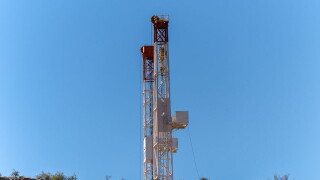
Output is rising fast in the South American shale play and putting Argentina on a course to soon reach 1 million B/D.

This paper presents findings reinforcing the argument that acid fracturing is a strong alternative stimulation method to improve productivity in the Austin Chalk formation.
-
 An analysis of thousands of fracturing treatments in major plays in the United States provides insights into how fracture designs have changed over time.
 -
Fiber optic pressure and temperature (P/T) sensing technology for multizone fracturing and production monitoring is enabled by a new feed-through (FT) technology that integrates the optical fiber within the multiple elastomer elements of a compact, swellable openhole packer system.
-
The demands for the fresh water used in many hydraulic fracturing operations are placing pressure on water sources in some regions of the United States. Because of the high volumes of water needed for fracturing and competing demands availability of fresh water has decreased and costs have grown.
-
This is the fifth article in a series covering water management in hydraulic fracturing in unconventional resources. The focus of this article is biological control. Additives to improve fracturing conditions can have negative effects on water treatment.
-
Seizing on historic margins in domestic prices, North American oil and gas companies are increasing their efforts to use more natural gas and less diesel fuel to power their field operations.
-
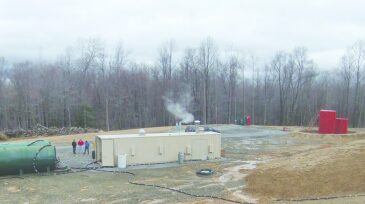
This is the fourth article of a series covering water management in hydraulic fracturing (HF) in unconventional resources. This article discusses the use of mechanical vapor compression (MVC) as a desalination technology.
-
A growing number of alternatives for treating flowback water enable operators to meet the requirements for discharge or reuse of the water in the fracturing fluid, a scientist said recently.
-
Alternative approaches and new deployment strategies are being developed to manage water used for fracturing oil and gas wells.
-
Early in its development, the Cline shale was hyped as the next Eagle Ford or Bakken with more oil and gas than they have combined.
-
One of the major challenges in fracturing low-permeability gas formations is the loss of well productivity caused by fluid entrapment in the matrix or fracture.