HSE & Sustainability
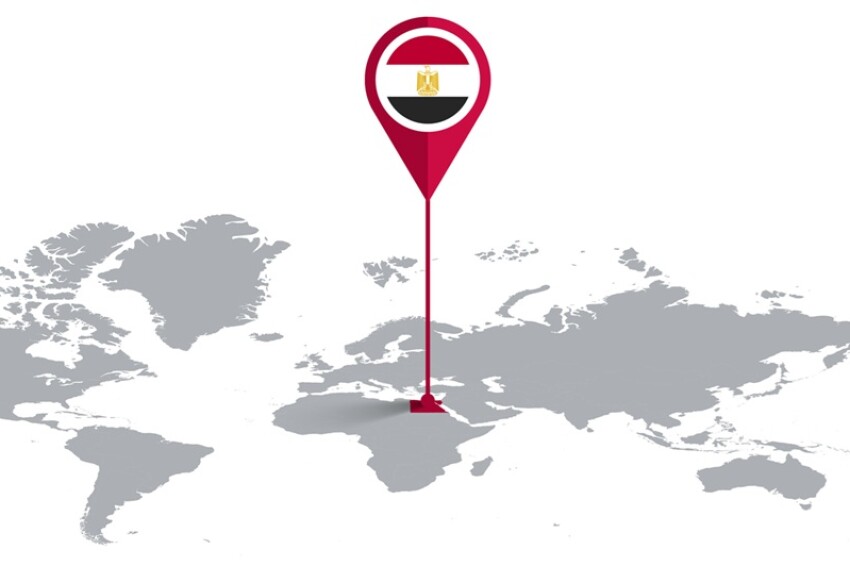
A memorandum of understanding between the companies targets technical services for safety and performance across Egypt’s onshore and offshore assets.

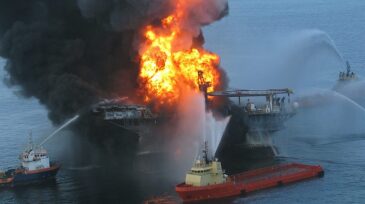
No injuries were reported, and work has been suspended on the North Sea rig while the BOP is recovered.

This article from the SPE Sustainable Development Technical Section (SDTS) explores how the next phase of methane performance will be defined less by pledges and more by measurement, response, and verifiable results.
-
 The law requires strengthening restrictions on pollution, and regulators are charged with writing new rules to enforce the policy.
 -
Equinor has agreed to align its business model with the goals of the 2015 Paris climate accord and will review its corporate lobbying policy and the carbon intensity of its products, the company said. It will also link executive pay to climate-related targets.
-
Even as the Trump administration has taken steps to expand offshore oil drilling, a new report shows that thousands of oil spills are still happening and that workers in the oil and gas industry are still dying on the job.
-
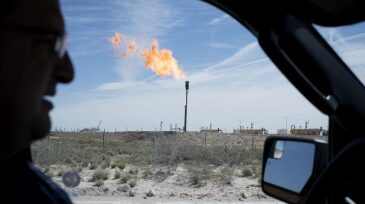
America’s hottest oil patch is producing so much natural gas that, by the end of last year, producers were burning off more than enough of the fuel to meet residential demand across the whole of Texas.
-
Behavior-based safety is not a new concept nor is it new at Murphy Oil. But when Murphy launched its Safety Observation Program as a digital tool, it revitalized the way the culture of safety spread throughout the company.
-
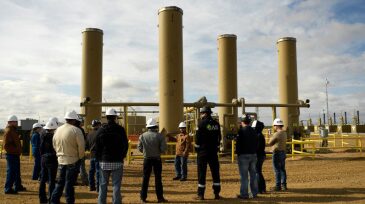
Safety depends on developing a dedicated culture mind-set and mitigation of risks, from the planning and engineering phases to the work site. These papers selected by OGF technical paper editor Gerald Verbeek present various practices for reducing and eliminating the number of incidents.
-
Companies in the petroleum industry, from exploration and production, to transportation, refining, and distribution, operate around the clock. This paper intends to raise awareness on the impact of fatigue in the petroleum industry and recommend a framework for fatigue risk management.
-
The emotional involvement of participants during the initial phase of a safety campaign increases implementation effectiveness significantly. In this case, a film guides the audience to make positive, personal choices whenever planning and operating a work at height.
-
This paper describes an operator’s experience with HFE during the construction and fabrication/installation phase of projects, including welding during the fabrication of buoyancy tanks, emergency preparedness, and the use of 3D model walk-throughs.
-
For employees to report on safety incidents, there must be a ‘just culture,’ where issues can be discussed freely and underlying causes investigated and corrected without fear of punitive actions.