HSE & Sustainability

Winners of Alberta's Drilling Technology Challenge cover a range of technologies from robotics to enhance drilling rig safety to AI-enabled energy management, downhole sensing, well navigation, hybrid power systems, and geothermal energy.

Located along the North Sea, the Humber is expected to play a central role in the UK’s effort to achieve a net-zero emissions status by 2050.

This article addresses the challenges of managing water-soluble organics (WSOs) in offshore produced water. It provides a brief discussion of the chemistry, along with strategies and technologies that can be used to manage WSO levels in produced water, thus facilitating compliance with regulatory overboard water-quality guidelines.
-
 The funding, aimed to help small operators, builds on nearly 100 cross-government actions designed to sharply reduce methane pollution.
 -
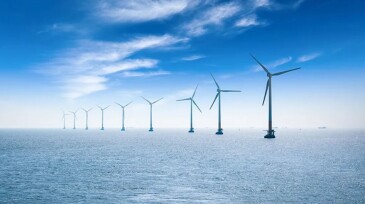
The Interior Department has now approved more than 19 GW of offshore wind energy.
-
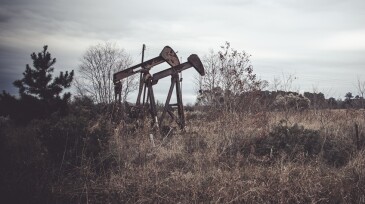
The money from the Investing in America agenda will be used for plugging, remediating, and reclaiming orphaned oil and gas wells in national parks, national forests, and national wildlife refuges.
-
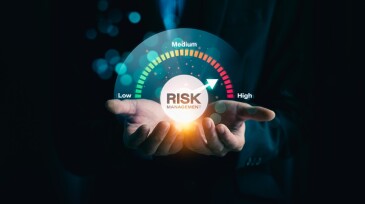
“Riskwashing” refers to a situation where an organization engages in superficial or insincere actions to create the appearance of addressing a particular risk or issue without actually taking substantive action to address the underlying problem. This paper presents methods to identify and minimize riskwashing as an organizational response to incidents.
-
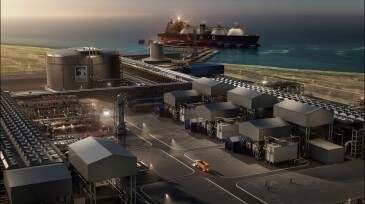
Ruwais is slated to be the first net-zero LNG facility in the Middle East and North Africa.
-
The modular facility will process associated gas to produce electricity for up to 200,000 households in the Basra region.
-
As Southeast Asia’s third-largest gas producer, PTTEP is investing in its energy security by prioritizing gas production and building up a global LNG supply chain.
-
The decision invokes a 1953 law that will make it difficult for incoming US President Donald Trump to reverse.
-
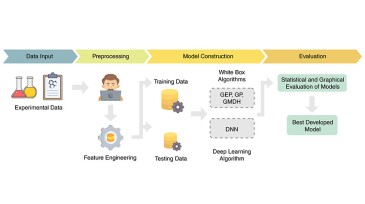
The objective of this study is to develop an explainable data-driven method using five different methods to create a model using a multidimensional data set with more than 700 rows of data for predicting minimum miscibility pressure.
-
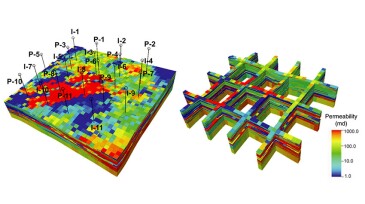
The authors of this paper propose hybrid models, combining machine learning and a physics-based approach, for rapid production forecasting and reservoir-connectivity characterization using routine injection or production and pressure data.