HSE & Sustainability
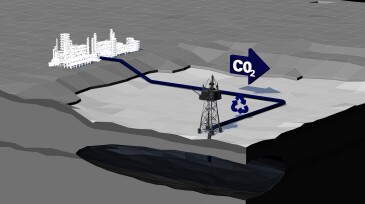
The Pawnee Carbon Sequestration Project, which would use a repurposed well, is planned to capture and store up to 400,000 tonnes of carbon dioxide, with first injection targeted for early 2027.

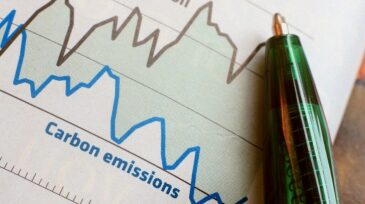
DNV notes that energy and industrial process-related carbon emissions will have dropped by 2050 by only 44% from today’s level, not even halfway to the net-zero pledge envisioned by the Paris climate agreement.

SPE's new Asset Integrity Technical Section brings together industry experts to advance best practices in reliability engineering, asset integrity, risk reduction, and infrastructure performance. The global community will focus on the safe, reliable, and sustainable operation of energy assets across both traditional and emerging energy sectors.
-
 Tellurian awarded a contract that will result in the first application of the service provider's integrated compressor line technology in North America.
-
A study of a limited number of decommissioned oil and gas wells in England found no evidence of methane leaks, including four wells found to be leaking in an earlier study.
-
The Mammoth project follows the company’s proven Orca model but will scale up the CO2 capture capacity to 36,000 tons per year.
-
The deal with Manulife gives Oxy unit 1PointFive access to 27,000 acres of subsurface pore space for carbon sequestration.
-
The new areas are expected to make a significant contribution to the government’s target of capturing and storing 20 million–30 million tonnes of carbon dioxide per year.
-
The second plenary session at URTeC this week highlighted the stark reality of both knowns and unknowns oil companies must face in the race to a carbon-free future.
-
The Texas Railroad Commission has approved its plan for fiscal year 2023, outlining priorities and highlighting enforcement efforts.
-
The House Science Committee calls for tougher surveillance amid evidence of super-emitters and undetected leaks in the vast Permian Basin.
-
A new analysis shows that more than 17 million people live within a half-mile radius of active oil and gas production facilities.
-
Petroleum industry engineering and geoscience professionals must evolve both to meet the challenges of the energy transition and to continue to provide the feedstock for hydrocarbon-based products needed for a stable and robust economy. Petroleum engineering schools and geoscience programs have the opportunity to expand education and equip people with the critical exp…