HSE & Sustainability
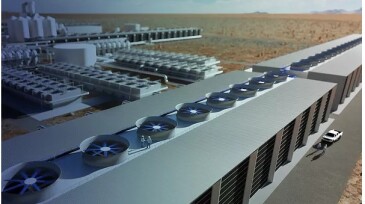
The Pawnee Carbon Sequestration Project, which would use a repurposed well, is planned to capture and store up to 400,000 tonnes of carbon dioxide, with first injection targeted for early 2027.

DNV notes that energy and industrial process-related carbon emissions will have dropped by 2050 by only 44% from today’s level, not even halfway to the net-zero pledge envisioned by the Paris climate agreement.

SPE's new Asset Integrity Technical Section brings together industry experts to advance best practices in reliability engineering, asset integrity, risk reduction, and infrastructure performance. The global community will focus on the safe, reliable, and sustainable operation of energy assets across both traditional and emerging energy sectors.
-
 The projects are expected to remove more than 2 million metric tons of CO2 emissions annually from the atmosphere.
-
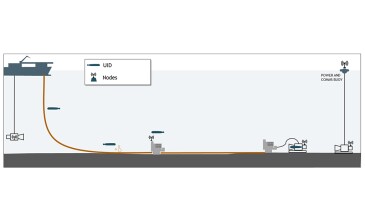
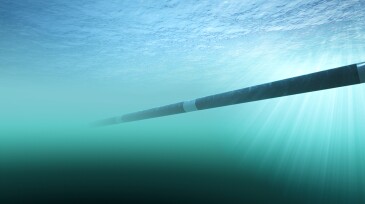
The paper presents an overview of underwater inspection drones and identifies the necessary elements to take full advantage of the technology.
-
Operators share emissions-mitigation research insights amid calls to accelerate to meet 2030 goals.
-
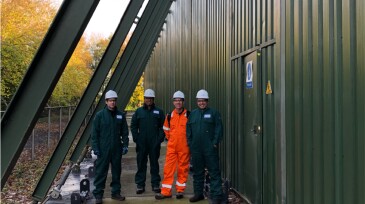
This paper presents a low-impact solution for well abandonment with fully electrified equipment that mostly uses grid power in an urban area.
-
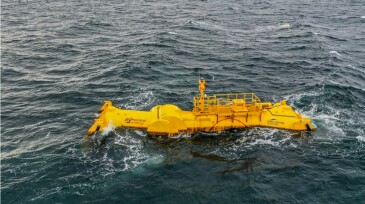
This paper describes development of a fully integrated system for the provision of low-carbon, remote power and communications using wave energy converters.
-
This paper presents a discussion of main concepts, challenges, and opportunities relating to subsea system design for CO2 injection in carbon capture and sequestration applications.
-
UK Prime Minister Rishi Sunak commits to future oil and gas licensing rounds as new analysis shows domestic gas production has around one-quarter the carbon footprint of imported liquefied natural gas.
-
Tokyo is seeking partnerships in the UAE to leverage its technologies to produce clean energy for export back to Japan.
-
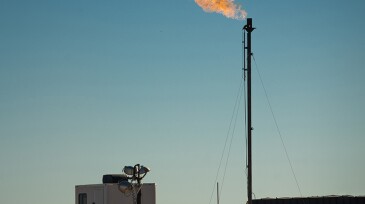
This paper presents practical solutions to monetize small-volume associated gas and their resulting technoeconomic implications at five offshore locations.
-
An Energy Industries Council survey of nearly 100 energy supply chain leaders finds that a lack of "consistent and profitable work in green projects" prompts a return to oil and gas projects.