Inspection/maintenance

This paper introduces in-pipe inspection technologies enabling high-resolution digital measurements of tubular internal diameter and wall thickness for critical downhole applications.
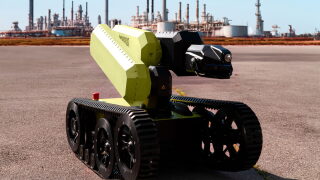
The deployment of a new heavy-duty robotic system aims to reduce workforce exposure to high-risk areas while improving detection of potential leaks.

This paper explores the transformative effect of unmanned aerial systems on operational efficiency, safety, and emergency response within the Khurais oil fields in Saudi Arabia. By integrating sophisticated drone technology, improvements have been achieved in routine inspections, leak detection, and emergency scenarios.
-
 This paper describes the development of a system for comprehensive mapping and asset registration using a digital-twin approach.
 -
SponsoredAdvance your career with the new Pipeline Engineering Program at the Technical University of Leoben, a 5-month course combining on-campus and online learning, integrating industry expertise, engineering practice, and future-ready skills for professionals in oil, gas, and emerging energy systems.
-
In today’s era of asset management, digital twins are changing risk management, optimizing operations, and benefitting the bottom line.
-
The offshore industry is actively embracing a digital-first, low-carbon future, supported by scalable demonstrators, intelligent systems, and integrated engineering approaches now entering precommercial or early-deployment stages.
-
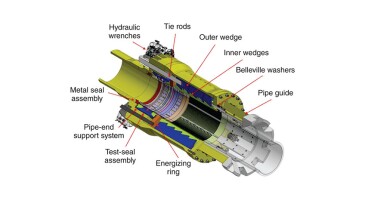
This paper compares traditional welded techniques, such as above-water repair methods and underwater hyperbaric welding, with the novel options offered by subsea connectors purposely developed for corrosion-resistant-alloy-clad pipelines.
-
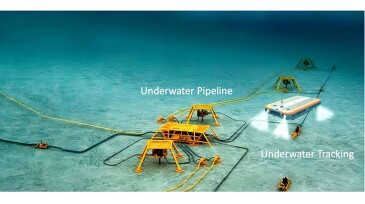
This paper introduces a technology for offshore pipeline inspection centered on an autonomous robotic system equipped with underwater computer vision and edge-computing capabilities.
-
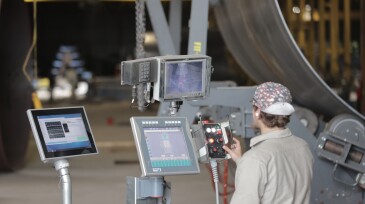
Short on skilled welders? For complex jobs like pressure-vessel seams, automation could be the key to keeping production safe, accurate, and on schedule.
-
By closely monitoring its subsea boosting system, Shell extended maintenance intervals and safely postponed pump replacement at its ultradeepwater Stones field.
-
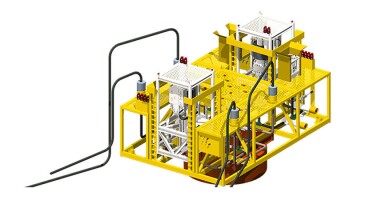
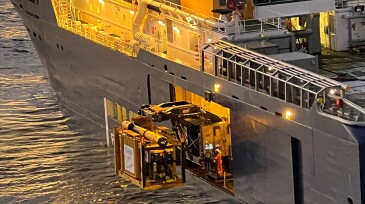
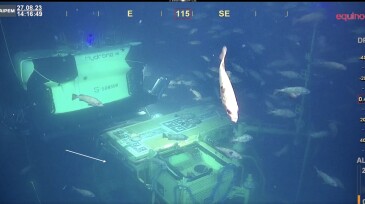
With the right infrastructure and interoperability, subsea resident robotics could unlock more frequent, cost-effective inspections—and a new standard for offshore efficiency.
-
Emerging solutions could solve current subsea pain points, while a new taxonomy system could clarify the capabilities of the expanding domain of underwater vehicles.