LNG

After a record year for LNG project approvals in 2025, multiyear repairs to war-damaged liquefaction facilities in Qatar and the UAE threaten to slow the growth of global LNG capacity.

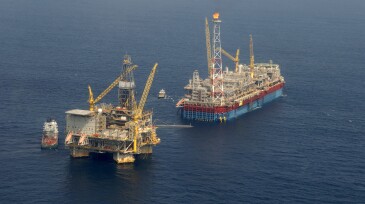
The Coral Norte FLNG is to be the mirror image of the Coral Sul unit, which shipped its first cargo in 2022 after it was put into service in Area 4 offshore Mozambique.
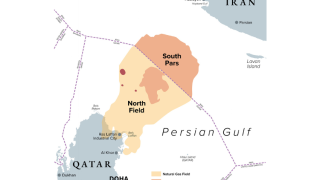
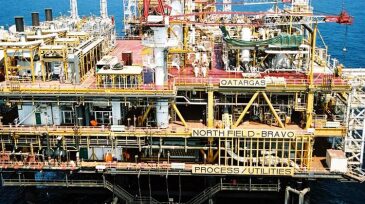
Barzan plant explosion that killed 13 and injured 66 occurred 2 days after production was restarted following a scheduled shutdown in December for routine maintenance.
-
 Tanzania has signed an LNG framework agreement to reboot a plan to build an LNG export terminal on the Indian Ocean.
 -
The new, larger vessels are all part of the UAE’s ambitious LNG expansion plans, which also include a new plant in Fujairah.
-
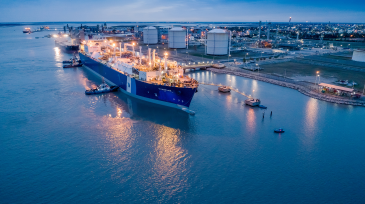
Finland will operate the FSRU jointly with Estonia as part of an emerging LNG hub in the Baltic Sea region.
-
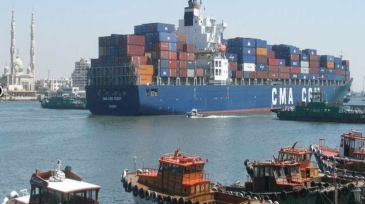
Tanker transit statistics via the Suez Canal broke historic records in April as Europe sought to import more crude oil and LNG from the Arab Gulf to replace traditional supplies from Russia.
-
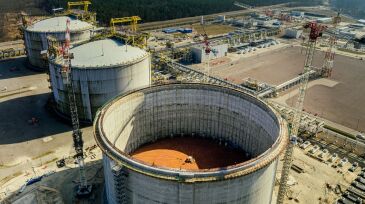
Zachry Industrial highlights the benefits of using advanced modeling to plan the construction to update the $10 billion Golden Pass LNG from an import terminal to an import/export terminal, connecting thousands of project participants during COVID-19 lockdowns.
-
Sempra Infrastructure and Poland’s state-owned PGNiG oil and gas company have signed a deal that is expected to result in the export of 3 mtpa of LNG to Poland from Louisiana and Texas.
-
The deal also includes a second, lump-sum contract to expand sulfur-handling, storage, and loading facilities.
-
An ExxonMobil Asian affiliate will take LNG from Venture Global’s Plaquemines and CP2 facilities currently under construction.
-
H&P pumps $33 million into LNG firm Galileo Technologies, supporting technology focused on decarbonization of the energy supply chain.
-
As Europe’s second-largest LNG hub after Spain, the UK promises to play a near-term role as an “energy bridge” to ease the EU’s dependence on Russian energy, given that the UK can ship regasified product directly to the continent via subsea pipeline.