LNG

After a record year for LNG project approvals in 2025, multiyear repairs to war-damaged liquefaction facilities in Qatar and the UAE threaten to slow the growth of global LNG capacity.

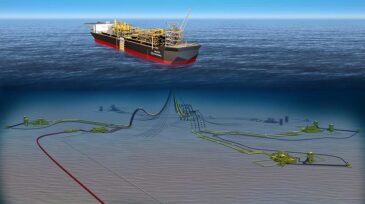
The Coral Norte FLNG is to be the mirror image of the Coral Sul unit, which shipped its first cargo in 2022 after it was put into service in Area 4 offshore Mozambique.
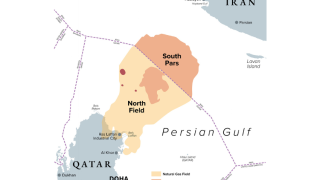
Barzan plant explosion that killed 13 and injured 66 occurred 2 days after production was restarted following a scheduled shutdown in December for routine maintenance.
-
 Rigs will be converted from drilling units to take the place of traditional floating LNG solutions.
 -
Shell cargo was deemed carbon-neutral because of offsets purchased by the LNG provider from the oil company’s global, nature-based projects.
-
The planned LNG export facility will host a large carbon capture and storage project to enable the permanent geologic storage of more than 5 million tonnes of carbon dioxide per year.
-
This paper considers transportation safety and risk evaluation of liquefied natural gas, with emphasis on accidental release and vapor flame.
-
The paper details the fast-tracking of a 450-km floating liquefied natural gas unit relocation from Sarawak to Sabah offshore Malaysia. The time from selecting the new field to unloading LNG at the new location was 13 months.
-
The national oil company will not extend contracts with ExxonMobil, Total, and others on Qatargas 1 that expire next year.
-
Partnership will move forward with the multibillion dollar Australian gas and condensate development.
-
The INPEX-lead Ichthys LNG megaproject won the 2021 International Petroleum Technology Conference Excellence in Project Integration award in a presentation that took place during the opening ceremonies of the annual conference.
-
Petronas has become the first global energy company to own and operate two floating LNG production facilities. The PFLNG DUA loaded its first shipment on an LNG carrier bound for Thailand. Petronas is also stepping up promotion of its 2021 licensing round for new fields.
-
The sale of the minority stake is part of its larger 2021 program to raise an average of $4 billion annually by shedding noncore holdings.