Asset Management
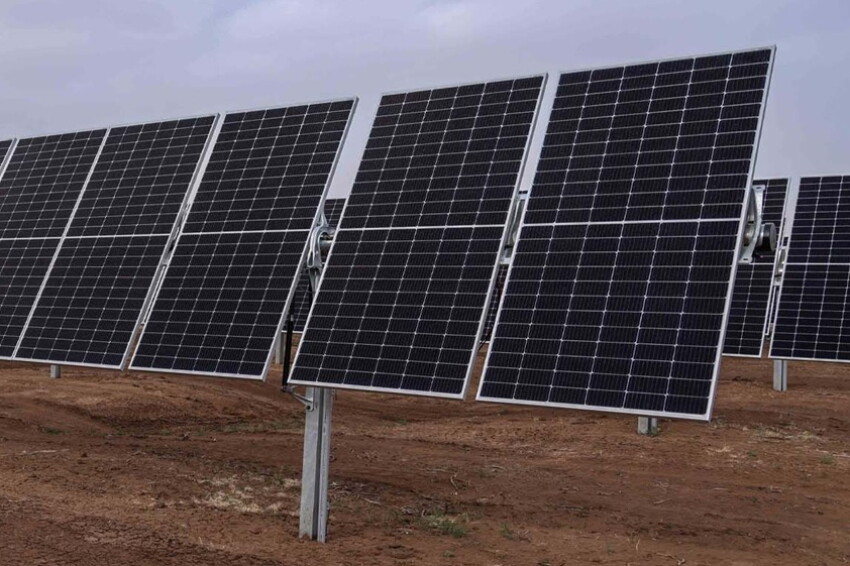
The Pinnington project in North Texas is the company’s largest solar project in the state and brings Repsol’s renewable energy generation capacity in the US to greater than 2 GW.
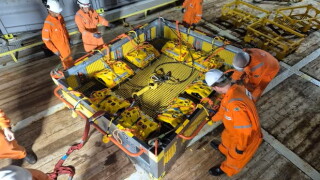
The technology has passed its first phase of qualification, with 84 nodes placed on the seafloor at a depth of 2,000 m to acquire 4D seismic data in the pre-salt Santos Basin.

Assets consolidated into the Searah JV include Eni-operated deepwater gas-condensate developments in the Kutei Basin, offshore East Kalimantan, Indonesia.
-
 The deal positions the merged company to benefit from an expected offshore drilling upcycle.
 -
Suspended by force majeure since the spring of 2021, work on the Mozambique LNG project has restarted with over 4,000 workers now engaged onshore and offshore to meet a 2029 deadline for first LNG.
-
Shell CEO Wael Sawan said Nigeria’s improving investment climate is boosting its appeal for long-term oil and gas investment.
-
An earlier deal to double Israel’s gas exports to Egypt led to approval of Leviathan’s Phase 1B expansion by guaranteeing long-term cash flow to finance the project.
-
Marking a major milestone as the Gulf of Mexico’s second 20,000-psi deepwater development, the project underscores how advanced high-pressure technology, management of flow challenges, and the floating production system’s role as a regional hub are helping open the door to more Inboard Wilcox development.
-
The company's CEO says Europe’s third-largest oil field is entering a natural decline phase.
-
Major increases in hydrocarbon production require both incremental and revolutionary technologies, industry leaders said during the SPE Hydraulic Fracturing Technology Conference.
-
From credit markets to grid constraints, the forces shaping energy today go far beyond price. Inside the inaugural E3S symposium, industry leaders, policymakers, economists, and students explored how technology, financing, permitting, and supply chain resilience are redefining what it takes to power the energy future.
-
The supermajors are seeking new US licenses to develop cross-border natural gas fields.
-
The country’s state oil company has signed agreements with SLB and TotalEnergies to work on production.