Oilfield chemistry

This paper presents an experiment investigating dissolution of basaltic primary minerals and conditions favorable for secondary phase formation under deep subsurface storage conditions.

This study aims to investigate the efficacy of chemical additives strontium chloride and barium hydroxide in accelerating CO₂ trapping mechanisms, their effect on dissolution of carbonate-bearing minerals, and resulting poroelastic changes in the host rock.

This study reviews subsurface microbial activity, biomineralization reactions, and mechanisms prevalent for bioremediating wells, stabilizing cements, and increasing trapping during CO₂ injection and storage.
-
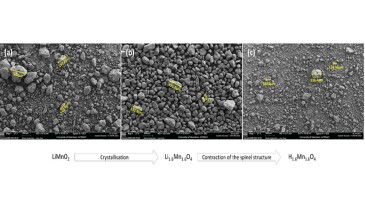
 The USGS has said up to 19 million tons of lithium resource is contained in the briny waters of the Smackover formation in Arkansas.
 -
This study explores the potential of locally produced surfactants for enhanced oil recovery in high-temperature and high-salinity reservoir environments.
-
Machine learning and a decade of gas composition records helped the operator identify wells that were most likely to produce paraffins.
-
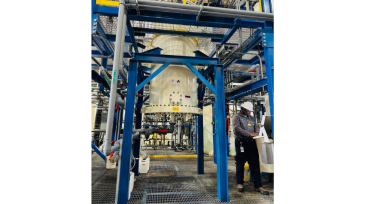
This first of a two-part series provides guidelines for designing and operating advanced produced-water systems on offshore platforms, covering fluid characterization, chemical treatment, equipment, process configuration, operations, and effluent quality.
-
This paper presents an evaluation of the lithium potential of assets in the North Sea.
-
This study aims to optimize the use of rhamnolipid biosurfactants for enhancing the bioremediation of hydrocarbon-contaminated soil.
-
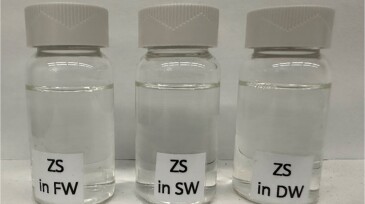
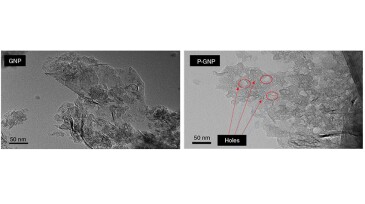
This study proposes graphene nanoplatelets as a preflush system to extend the lifetime of a conventional scale-inhibitor squeeze treatment.
-
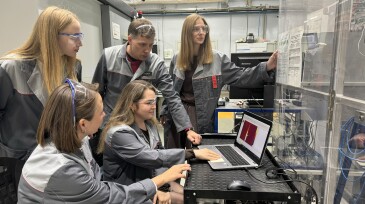
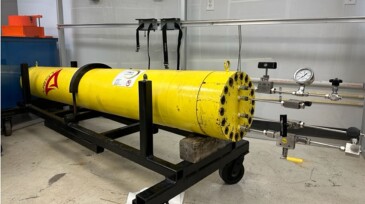
The process developed by Moscow’s Skolkovo Institute of Science and Technology shows promising results in the laboratory, suggesting a novel method to produce hydrogen from natural gas reservoirs while trapping carbon in permanent storage.
-
The honor recognizes recipients for their lasting and significant contributions in the field of IOR.
-
This study emphasizes the vital need to evaluate well conditions and working-fluid compatibility with coiled tubing materials to prolong coiled tubing operational life.