Onshore/Offshore Facilities

This paper presents a flexible, highly cost- and energy-efficient method of gas separation and CO2 capture from many different gas mixtures with a large range of CO2 concentrations.

This work introduces a novel predictive methodology combini ang historical metocean data with real-time riser analysis for shallow water dynamically positioned (DP) rig operations, addressing a gap in industry literature. The integrated approach of predictive nonproductive-time (NPT) estimation, real-time monitoring validation, and structured decision protocols for cr…

This paper documents the testing, integration, and field deployment of a metal expandable packer used as an openhole toe isolation plug in a deepwater well under high-pressure, high-temperature conditions.
-
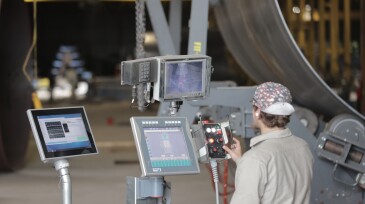
 Short on skilled welders? For complex jobs like pressure-vessel seams, automation could be the key to keeping production safe, accurate, and on schedule.
 -
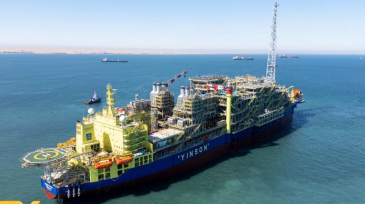
Azule’s new FPSO is the first in the world to feature a pilot carbon capture and storage unit that sequesters CO₂ from onboard gas-turbine exhaust.
-
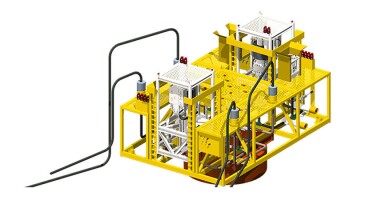
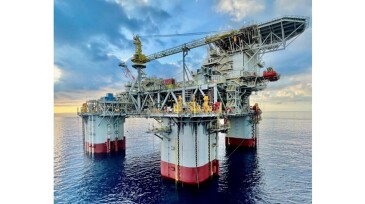
By closely monitoring its subsea boosting system, Shell extended maintenance intervals and safely postponed pump replacement at its ultradeepwater Stones field.
-
BP called the Bumerangue discovery in the Santos Basin the company’s largest find in 25 years, and announced it had begun production from its tieback project at Argos ahead of schedule.
-
This paper reviews best practices and learnings from floating-production-unit transportation and installation, hookup, and commissioning and discusses subsea flowlines, export pipelines, and subsea-equipment installations.
-
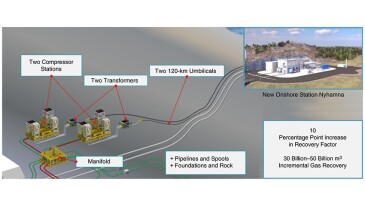
This paper addresses how close collaboration has enabled the development of a robust and cost-efficient solution for the Ormen Lange project by using carefully selected technology elements and an accelerated qualification process to mature them.
-
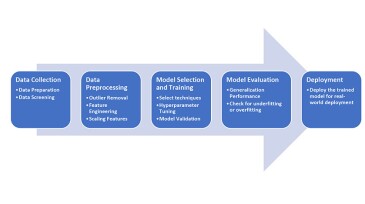
This study aims to use machine-learning techniques to predict well logs by analyzing mud-log and logging-while-drilling data.
-
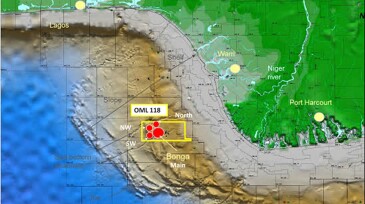
This paper discusses the journey of the Bonga North project, highlighting challenges and resolution strategies in a constantly changing deepwater environment.
-
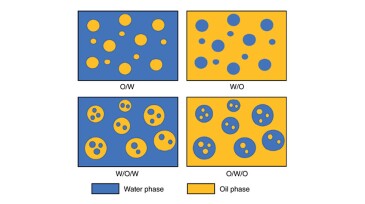
This study presents the development of a novel modeling tool designed to predict condensate emulsions, focusing on key factors causing emulsions such as pH, solid content, asphaltene concentration, droplet size, and organic acids.
-
With the right infrastructure and interoperability, subsea resident robotics could unlock more frequent, cost-effective inspections—and a new standard for offshore efficiency.