Onshore/Offshore Facilities
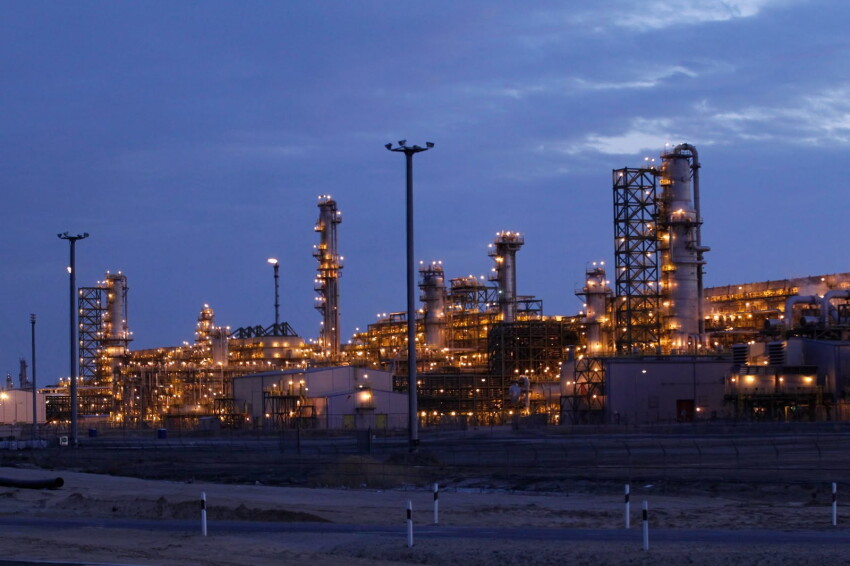
Using case studies from Western Kazakhstan, this article shows how construction-led optimization cut installation costs by 60–70%, reduced construction scope by up to 80%, and lowered turnaround inspection labor by as much as 90%. The results improved schedule certainty, reduced risk, and increased efficiency across brownfield oil and gas facilities.

Production has begun at the company’s fifth FPSO-based development offshore Guyana just days after it sanctioned what will become its eighth project in the prolific Stabroek Block.

Of the eight ExxonMobil-led developments sanctioned to date in the Stabroek block, Longtail is the first to shift the focus from oil to gas and condensate production.
-
 People and businesses alike are adapting processes and products to help ensure the activities we undertake and products we produce are sustainable for the future. Industrial lighting is no exception.
-
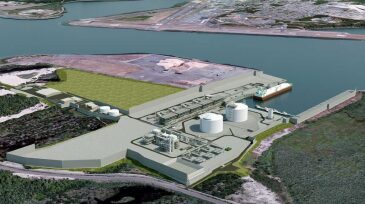
New sibling facility to Calcasieu Pass will boast nameplate liquefication capacity of 20 mtpa of LNG.
-
Eni and Italian energy infrastructure operator Snam are partnering to secure Italy’s North African gas supply and future hydrogen initiatives.
-
Proposed US West Coast LNG terminal had long been a source of dispute between nearby property owners, indigenous peoples.
-
An experimental study of a shroud-type downhole separator for a pumped horizontal or deviated well is presented in this study.
-
This paper presents a framework that advances 3D printing in the oil and gas industry, evaluating the challenges this technology is facing in a conservative industry and realizing its potential benefits.
-
East Med gas production, leveraged by Egypt’s position at the mouth of the Suez Canal, is redefining geopolitical relations as North Africa, Europe, and the Middle East strive to create a new distribution hub for energy, legacy, and renewables.
-
The London-listed supermajor says the latest project could help it deliver 30% of the UK's goal to reach 5 GW in hydrogen production capacity by 2030.
-
This paper is the second of a two-part series. It covers facilities problems caused by iron, injectivity problems caused by iron, and the mitigation of colloidal iron-related problems.
-
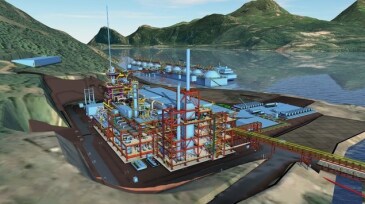
Contractor will engineer and construct the 2.1 mtpa plant in British Columbia to be fully powered by hydroelectric technology.