Onshore/Offshore Facilities

The 2026 Upstream Scale Guidelines establish a common workflow for field measurements, scale modeling, and risk assessment to support more consistent operational decisions.

Shell has reached FID on LNG Canada Phase 2, a major expansion that will double the Kitimat facility’s LNG export capacity to 28 mtpa and strengthen long-term supply to growing Asian markets.

The long-term outlook analysis says a potential shift toward new construction could push 2026 production 3% above 2025 levels.
-
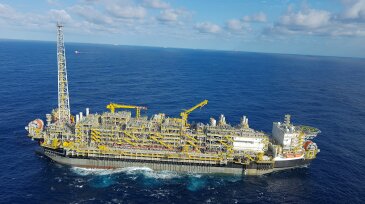
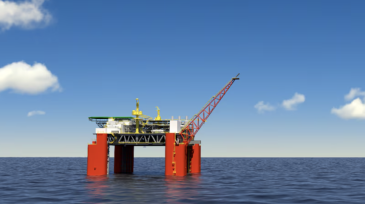
 FPSO to be connected to high-pressure subsea separation technology pilot project.
 -
Machine learning and a decade of gas composition records helped the operator identify wells that were most likely to produce paraffins.
-
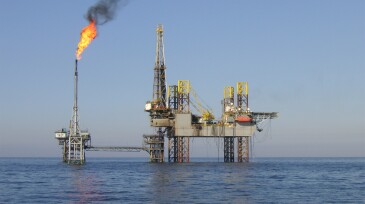
The increase in flaring emissions was led by operations in the Middle East, Africa, and Russia.
-
Petrobras said the unit serving the pre-salt field is designed to reduce up to 24% of emissions.
-
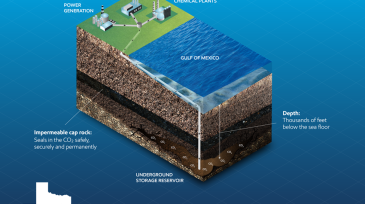
The agreement with state officials comes more than 3 years after the supermajor proposed building the world's largest carbon storage hub offshore the Houston area.
-
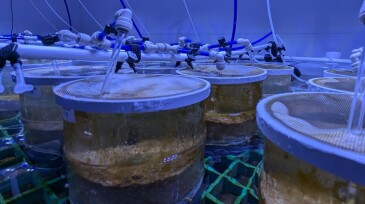
Radioactive elements occur naturally at low levels in oil and gas basins. As oil and gas is extracted, these elements can accumulate in infrastructure. Now, scientists in Australia are investigating the toxicity of different radiation doses to marine organisms.
-
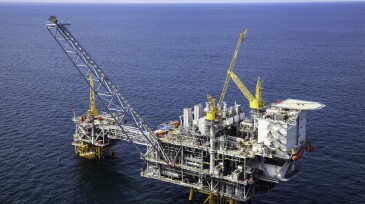
Contactor will provide EPCI work related to the subsea portion of the 20K Gulf of Mexico development.
-
This first of a two-part series provides guidelines for designing and operating advanced produced-water systems on offshore platforms, covering fluid characterization, chemical treatment, equipment, process configuration, operations, and effluent quality.
-
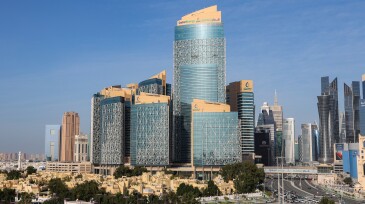
By adding this latest EPCI contract for pipelines and cables to earlier awards, McDermott is now responsible for all offshore infrastructure associated with Qatar's massive North Field Expansion.
-
SponsoredTAQA's PulseEight Secure and SwellStack solutions avoid costly workovers and deferred production by riglessly retrofitting an alternative to failed subsurface safety valves.