Onshore/Offshore Facilities

This paper presents a flexible, highly cost- and energy-efficient method of gas separation and CO₂ capture from many different gas mixtures with a large range of CO₂ concentrations.

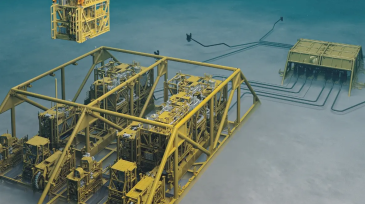
This work introduces a novel predictive methodology combining historical metocean data with real-time riser analysis for shallow water dynamically positioned rig operations.

This paper documents the testing, integration, and field deployment of a metal expandable packer used as an openhole toe isolation plug in a deepwater well under high-pressure, high-temperature conditions.
-
 Updates about global exploration and production activities and developments.
 -
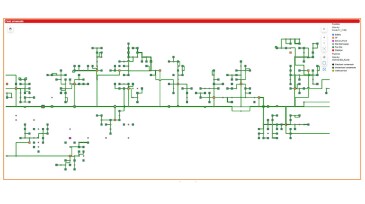
This paper explains that the discovery of specific pressure trends, combined with an unconventional approach for analyzing gas compositional data, enables the detection and prediction of paraffin deposition at pad level and in the gathering system.
-
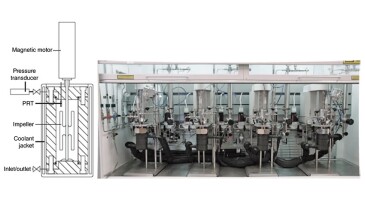
This paper presents an approach to subsea hydrate-risk management based on the understanding that some crudes have induction properties that delay hydrate formation even when the pressure and temperature conditions reach the hydrate thermodynamic region.
-
The advancement of flow-assurance technology can be characterized as a transition from reactive to proactive, from laboratory-scale examination to field applicability, and from data-driven to big data and physics integration.
-
The global oilfield service company is working with Ormat Technologies to boost its integrated geothermal business.
-
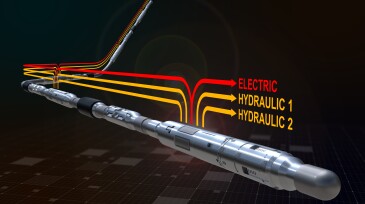
SponsoredSince 1997, intelligent completions have transformed reservoir management, but adoption remains limited due to perceived complexity. The industry reached a pivotal moment with the development of next-generation technologies that address longstanding challenges and offer simpler operation solutions.
-
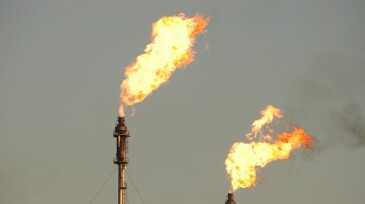
Satellite data show nearly 45,000 methane plumes worldwide in the first quarter, triple the number from a year earlier.
-
The service company said the cancellation of a 2-GW offshore wind project in the Netherlands means its restructuring plan can no longer be delivered.
-
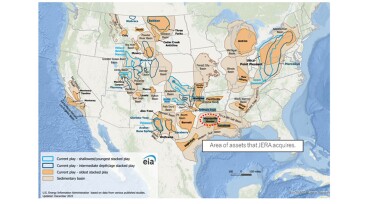
JERA joins Tokyo Gas as a player in the Haynesville as Japan targets the US Gulf Coast as key to building global LNG supply chains.
-
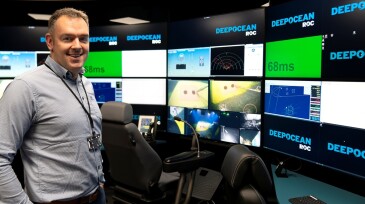
The DeepOcean-lead joint industry project aims to advance commercialization of a new patented technology that heats pipeline systems deployed in deepwater where flow assurance can be a challenge.