Onshore/Offshore Facilities

The latest edition of ISO 20815 extends the petroleum industry's production assurance and reliability management framework to carbon capture, hydrogen, ammonia, and wind assets.
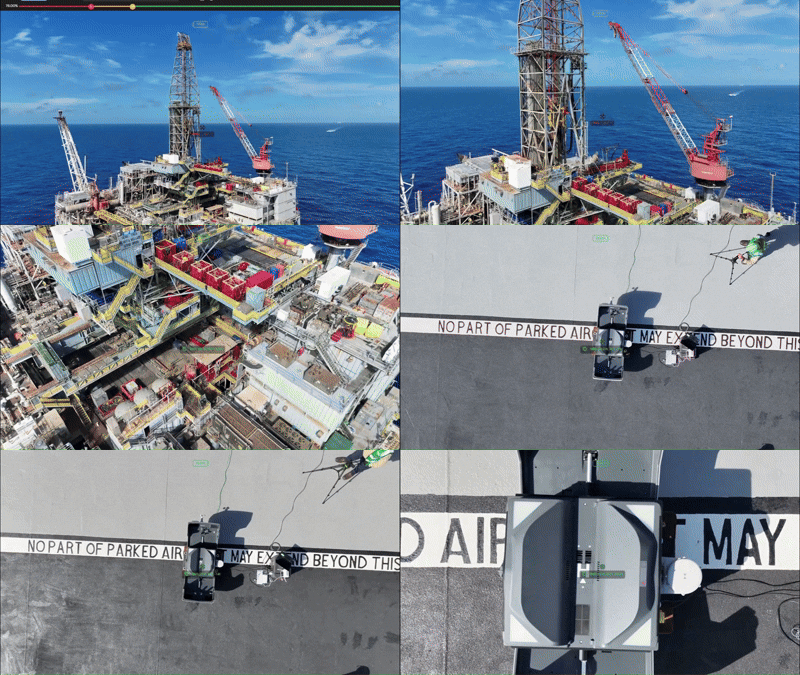
Shell has demonstrated drone-in-a-box operations from its Mars floating production unit, becoming the first operator in the region to secure FAA approval for self-approved offshore beyond-visual-line-of-sight flights. JPT Senior Technology Editor Jennifer Pallanich visited Shell Technology Center Houston to see the system in action.
Increased capacity from new terminals and expansions drove up exports of liquefied natural gas at the quickest rate since 2016.
-
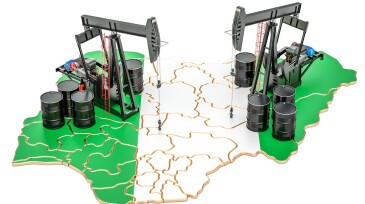
 The collection of undeveloped blocks includes 59 located in Nigeria's deep water.
 -
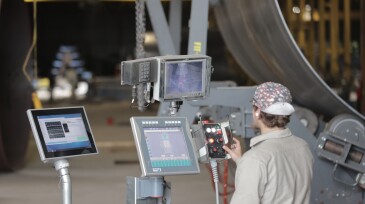
Short on skilled welders? For complex jobs like pressure-vessel seams, automation could be the key to keeping production safe, accurate, and on schedule.
-
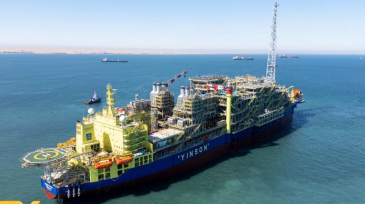
Azule’s new FPSO is the first in the world to feature a pilot carbon capture and storage unit that sequesters CO₂ from onboard gas-turbine exhaust.
-
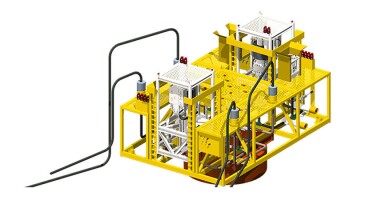
By closely monitoring its subsea boosting system, Shell extended maintenance intervals and safely postponed pump replacement at its ultradeepwater Stones field.
-
BP called the Bumerangue discovery in the Santos Basin the company’s largest find in 25 years, and announced it had begun production from its tieback project at Argos ahead of schedule.
-
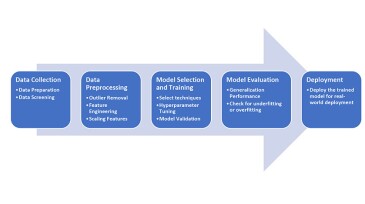
This study aims to use machine-learning techniques to predict well logs by analyzing mud-log and logging-while-drilling data.
-
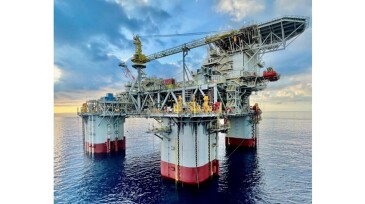
This paper reviews best practices and learnings from floating-production-unit transportation and installation, hookup, and commissioning and discusses subsea flowlines, export pipelines, and subsea-equipment installations.
-
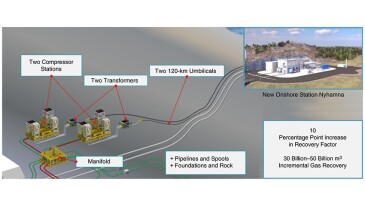
This paper addresses how close collaboration has enabled the development of a robust and cost-efficient solution for the Ormen Lange project by using carefully selected technology elements and an accelerated qualification process to mature them.
-
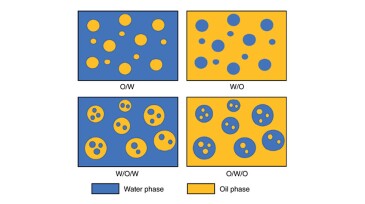
This study presents the development of a novel modeling tool designed to predict condensate emulsions, focusing on key factors causing emulsions such as pH, solid content, asphaltene concentration, droplet size, and organic acids.
-
With the right infrastructure and interoperability, subsea resident robotics could unlock more frequent, cost-effective inspections—and a new standard for offshore efficiency.