

Onshore/Offshore Facilities

The latest edition of ISO 20815 extends the petroleum industry's production assurance and reliability management framework to carbon capture, hydrogen, ammonia, and wind assets.
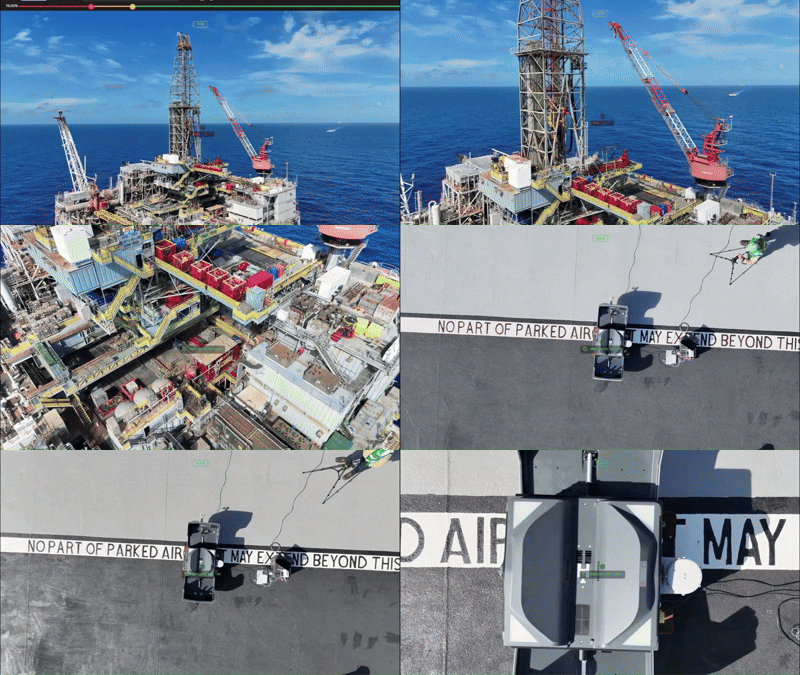
Shell has demonstrated drone-in-a-box operations from its Mars floating production unit, becoming the first operator in the region to secure FAA approval for self-approved offshore beyond-visual-line-of-sight flights. JPT Senior Technology Editor Jennifer Pallanich visited Shell Technology Center Houston to see the system in action.
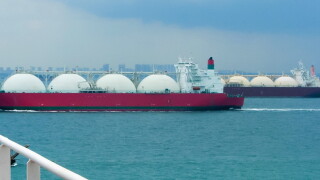
Increased capacity from new terminals and expansions drove up exports of liquefied natural gas at the quickest rate since 2016.
-
 This paper discusses waterflooding and field-development implications of subsea seawater treatment for improved oil recovery.
 -
This paper presents an engineering solution tailored for shallow-water oilfield development in Bohai Bay, addressing the confluence of spatial constraints, marginal economics, and environmental conditions that have rendered such reserves stranded.
-
This work evaluates CO2-based fracturing as a sustainable development approach for shale gas reservoirs in the Burgos Basin of Mexico.
-
This paper describes an autonomous inflow-control technology for gas wells developed to detect and choke unwanted water production autonomously while allowing gas and condensate production.
-
This paper details the design and implementation of a subsea multiphase pump solution deployed in the Atlanta field designed to maximize reuse of existing subsea and topside equipment.
-
This guest editorial examines how the most commonly used and cited methane emissions metric can create a misleading picture of upstream gas-handling performance for both the public and industry professionals.
-
A handful of operators have cut costs, project timelines, and emissions by redeploying offshore infrastructure, but there are limited opportunities to replicate these success stories.
-
From AI-enabled walking rigs to subsea drones and autonomous inspection robots, robotics is rapidly moving from pilot projects to field deployment. The technology promises not only greater efficiency but also a fundamental shift in how the industry approaches safety and asset management.
-
As several commercial-scale projects are gearing up in the US, developers expect the next few years to reveal whether lithium extraction from brines can become a big business.
-
SponsoredEffective data analysis depends on seeing connections that matter. Explore how Spotfire enables a more intuitive approach to understanding petroleum data.


