Production
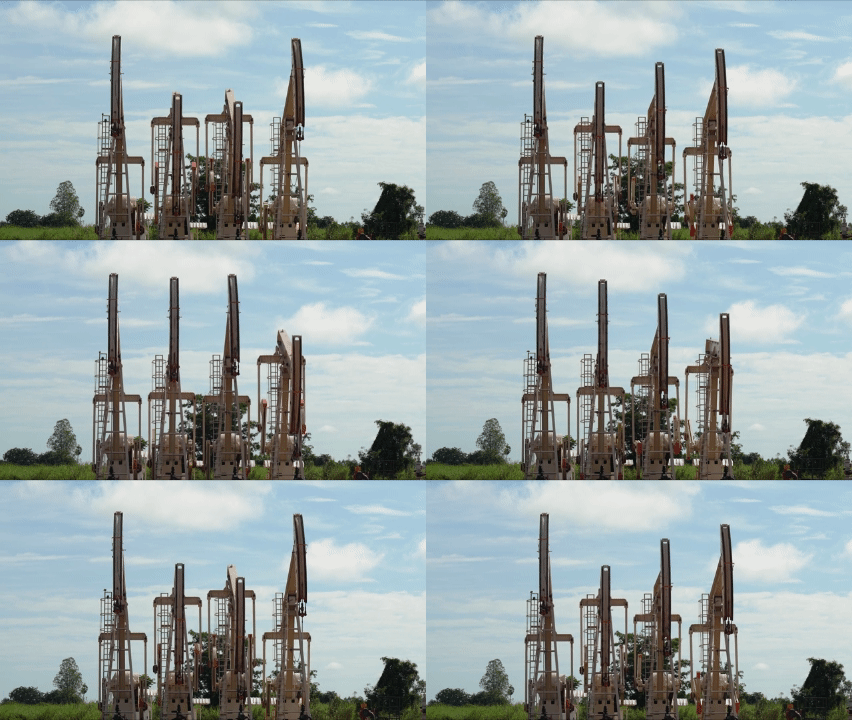
This paper proposes a novel, real-time pump failure prediction method using machine learning with scaled load ratio to accurately predict pump failures using only surface pump load data.

Five agreements target more than 11 Tcf of offshore gas and include flare-reduction technology.

Disputes over tanker fees and the ongoing military operation in Lebanon represent potential fault lines for the tentative peace deal.
-
 Mixing dry polymer powder and water to make friction reducer as needed during fracturing can cut the cost of the additive and the testing of whether a drastically simplified recipe performs as well as more-complex mixes.
 -
As oil prices break through multiyear highs, the heartland of US onshore activity is nearing the record levels of output reached before the pandemic.
-
The company announced plans to use a new technology to replace the pneumatic systems that are powered by and also vent a substantial volume of methane at its Barnett Shale operating area in north Texas.
-
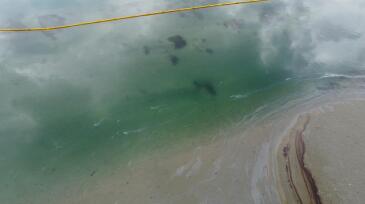
The investigation and cleanup of the oil spill, originating from a rupture in an Amplify Energy pipeline in the Beta field, is ongoing.
-
Production vessel has the capacity to produce up to 180,000 B/D of oil.
-
Do you know how many of your organization’s wells are artificially lifted? Or, more importantly, do you know what fraction of your production volumes are dependent on artificial lift? I would wager that the percentages are higher than you would expect, and I encourage you to seek out that information and share it.
-
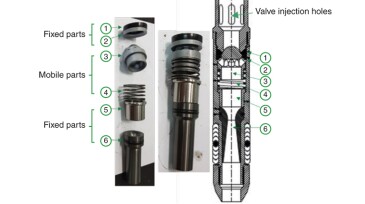
This paper describes a comprehensive approach to mitigate systemic failure in gas-lift valves in presalt wells.
-
Friction reducers play multiple critical roles in fracturing. A challenge in selecting the best one for the job is the growing evidence that performance varies, but objective performance measurements are lacking.
-
This paper describes a study aiming to provide input for the well-completion-strategy design and operational parameters for a carbonate reservoir experiencing electrical-submersible-pump failures.
-
At peak, combined fields should produce more than 12,600 B/D of oil.