Production
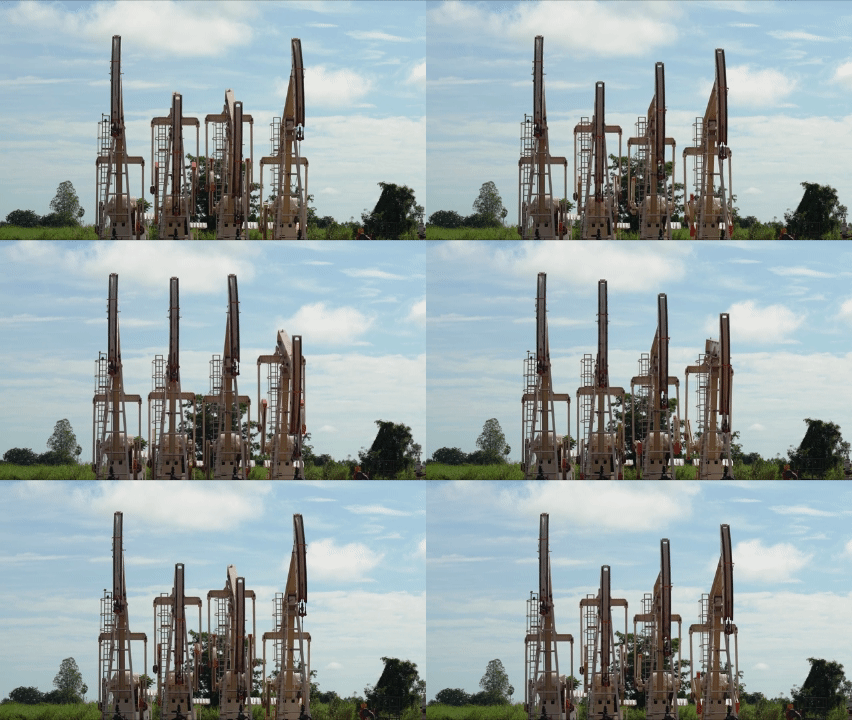
This paper proposes a novel, real-time pump failure prediction method using machine learning with scaled load ratio to accurately predict pump failures using only surface pump load data.

Five agreements target more than 11 Tcf of offshore gas and include flare-reduction technology.

Disputes over tanker fees and the ongoing military operation in Lebanon represent potential fault lines for the tentative peace deal.
-
 Artificial lift really shines during a downturn. This is because, when capital spending is constrained, artificial lift is one of the few levers an operator has available to increase production while reducing operating expenses.
 -
An artificial-lift concept consisting of an in-well ESP as the primary method and a mudline system as backup has proved effective in an unltradeepwater heavy-oil field.
-
S13Cr tubing specimens experienced stress corrosion cracking with phosphate-based completion fluids contaminated with mud and oxygen, whereas formate-based completion fluid is compatible with the tubing.
-
A plunger lift optimization software has been developed that enables set-point optimization at scale.
-
A novel PCP configuration was developed from phased design trials and experience in cold heavy-oil production with sand (CHOPS) wells. This configuration uses a modified rotor to create alternating sections of contact and noncontact within a conventional stator.
-
Last year, events accelerated several trends in the energy landscape. Oil and gas prices have remained low, and the industry is focusing more strongly on reducing costs and increasing operational efficiency. Implementing innovative technologies that increase recovery requires a small investment but can bring large rewards.
-
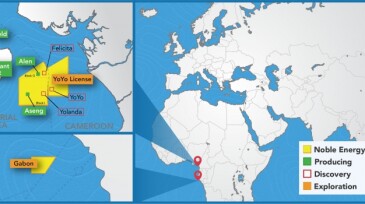
The offshore Equatorial Guinea project is a key step toward country’s mega hub status.
-
Contractor will engineer, construct, and install project’s seafloor hardware.
-
The proposed solution is a good candidate for real-time burner-efficiency monitoring and automatic alarm triggering and optimization.
-
The interpretation of well tests, combined with petrophysical analysis, formation-test data, and production logs, provided insight into Khuff reservoirs.