Production
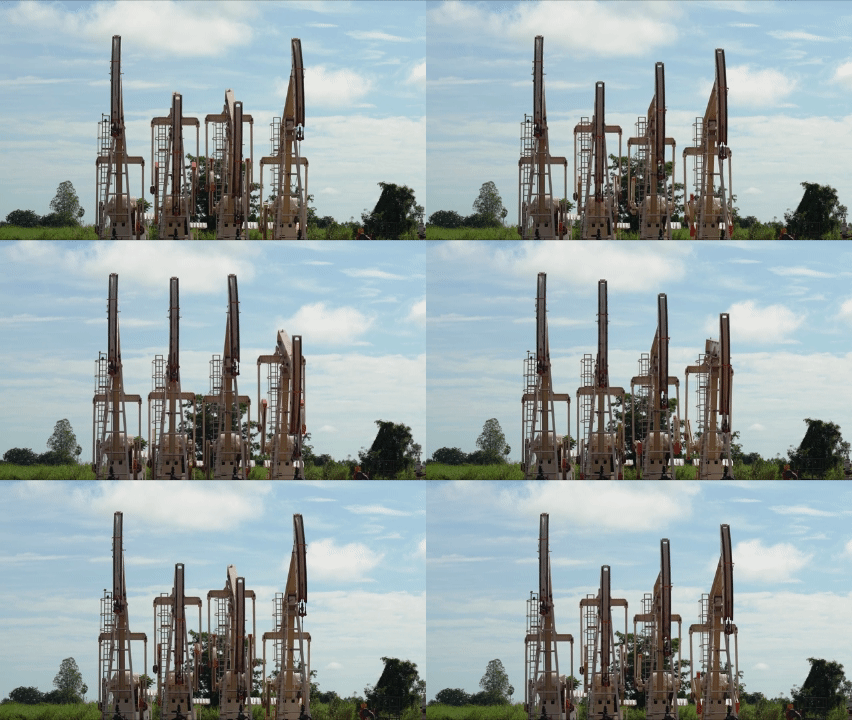
This paper proposes a novel, real-time pump failure prediction method using machine learning with scaled load ratio to accurately predict pump failures using only surface pump load data.

Five agreements target more than 11 Tcf of offshore gas and include flare-reduction technology.

Disputes over tanker fees and the ongoing military operation in Lebanon represent potential fault lines for the tentative peace deal.
-
 The complete paper explores technical and economic development options to produce heavy-oil resources at commercial rates and showcases three optimization scenarios of higher recovery efficiency aimed at increasing net present value at the basin level.
 -
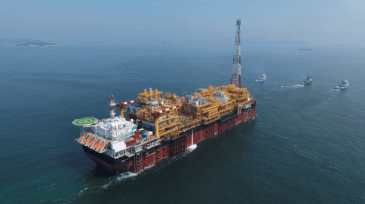
The largest natural gas field in the rising Eastern Mediterranean region is now flowing after being discovered a decade ago.
-
Approved in October, the Flow Measurement Technical Section will help engage the greater SPE technical community in flow-measurement-related issues and technologies. It will cover the full spectrum of flow measurement, including single-phase and multiphase flow.
-
Total has agreed to acquire interests in two blocks in the offshore Kwanza Basin from Angola’s state-owned Sonangol and has received an extension on its offshore Block 17 production licenses.
-
DuPont Microbial Control research scientist and “microbial detective” Geert van der Kraan shares the clues that microbial life leaves behind to help make the extraction process cleaner in a recent TED Talk.
-
The group will shed an additional 500,000 B/D of oil production through March 2020, bringing the total curtailment to 1.7 million B/D.
-
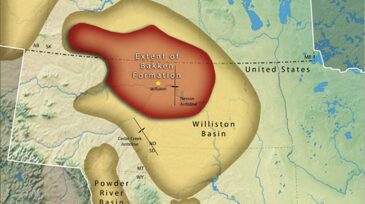
Multistage horizontal well designs were first implemented in the Bakken in 2007. Since then, more than 12,000 wells have been completed in either the Middle Bakken or Three Forks zones.
-
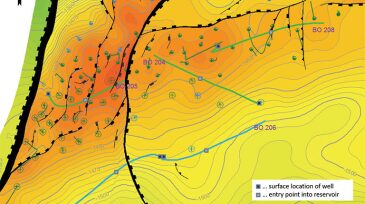
This paper compares the performance of three mature-field horizontal infill wells, one of which is completed with autonomous inflow-control devices (AICDs).
-
Xu Keqiang took the reins as CEO of the Chinese national oil company on 19 November. Meanwhile, more oil is flowing from the offshore Caofeidian 11-1/11-6 oilfield project.
-
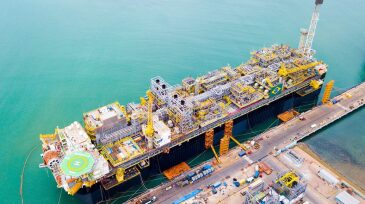
P-68 is Petrobras’ fourth FPSO to begin operations this year following the startups of P-67 at the Lula field and P-76 and P-77 at the Buzios field.