Production
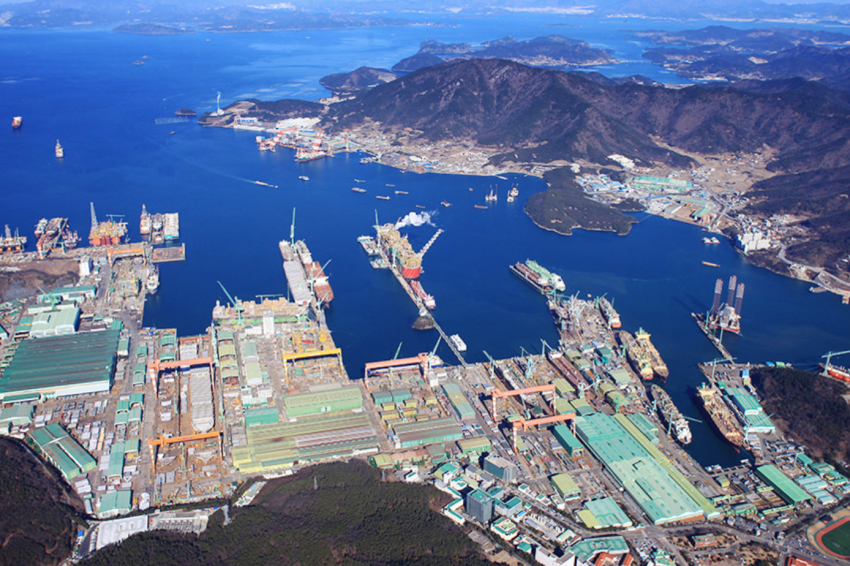
The Coral Norte FLNG is to be the mirror image of the Coral Sul unit, which shipped its first cargo in 2022 after it was put into service in Area 4 offshore Mozambique.

In the fourth development phase, a planned tieback would connect resources from two North Sea discoveries to existing infrastructure at the Johan Sverdrup field, pending project sanction.
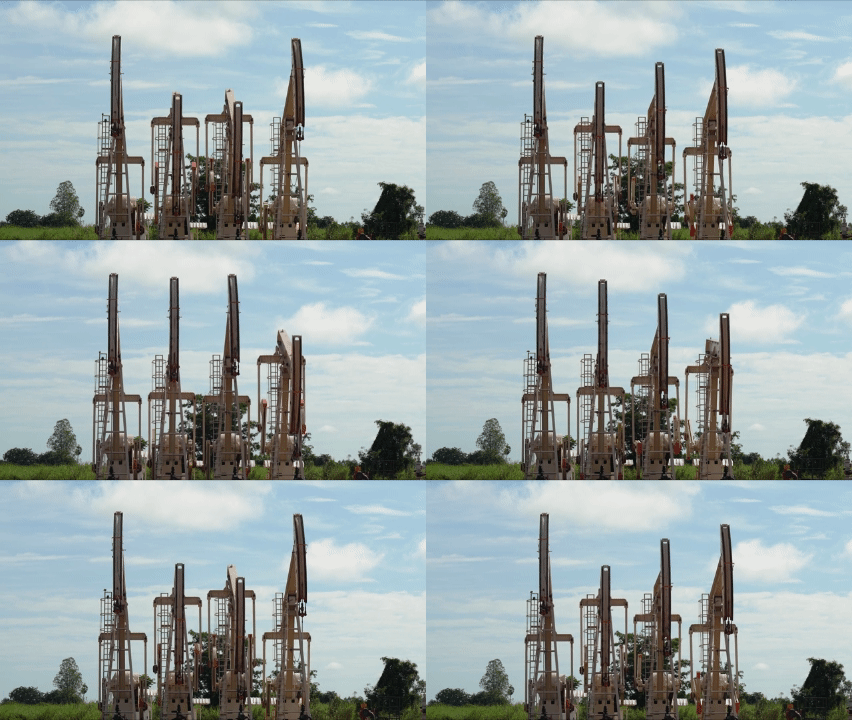
This paper proposes a novel, real-time pump failure prediction method using machine learning with scaled load ratio to accurately predict pump failures using only surface pump load data.
-
 As oil and gas fields are depleted, artificial lift systems are often required to maintain delivery volumes and to maximize recovery.
 -
Onshore gas developments are often characterized by drilling, fracturing, and production of wells before low-pressure gas-gathering systems are in place. As well production declines, liquid-loading issues begin to appear. Use of a twin-screw pump to boost deliquefication was investigated.
-
The challenges for operators in the Eagle Ford have been enormous, which can push chemical management to the back burner. But there is a price to be paid down the road. Operators have recently become more mindful of implementing metric-driven chemical management programs.
-
This paper focuses on the applicability of subsea processing technology employing multiphase pumps to develop marginal fields commercially. Analytical methods were used to evaluate the pumps, and the results were validated through case studies in specific fields.
-
The growing amount of heavy crude processed worldwide has created additional separation challenges, leading some operators to turn to alternative technologies. In some cases, electrocoalescence has been an effective tool to separate oil from water.
-
This is the fifth article in a series covering water management in hydraulic fracturing in unconventional resources. The focus of this article is biological control. Additives to improve fracturing conditions can have negative effects on water treatment.
-
Sustainable growth in oil and gas production must stem from a combination of new discoveries and optimized recovery from maturing fields. Therefore, development of mature oil fields has been, and will increasingly be, an attractive subject.
-
The new channel-fracturing technique is capable of increasing fracture conductivity by up to two orders of magnitude.
-
As a field matures, there is a crucial need to focus on integrity-related issues such as hazard prevention and mitigation.
-
VICO Indonesia is the operator of the Sanga-Sanga production-sharing contract (PSC) in Indonesia.