R&D/innovation

SPE Journal is seeking submissions for a special issue on sustainable enhanced oil recovery (EOR), highlighting innovations that boost oil recovery while reducing CO2 emissions and environmental impact. The Call for Papers opens on 15 October 2026.

A shared digital mindset across subsurface, subsea, and drilling and wells is accelerating well planning at Vår Energi.

With funding opportunities improving, developers and researchers are focused on shortening project learning cycles and reducing uncertainty to attract more capital and speed deployment.
-
 The challenges that geothermal energy faces to become a leading player in the net-zero world are well within the areas of expertise of the SPE community, ranging from rapid technology implementation and learning-by-doing to assure competitiveness to establishing suitable funding mechanisms to secure access to capital.
 -
Pink hydrogen, produced through water electrolysis powered by nuclear energy, recently drew attention which underscored the complexity of decision-making in advancing such projects.
-
Jim Gable, president of Chevron Technology Ventures, shares how CTV works with startups and how their technologies go big.
-
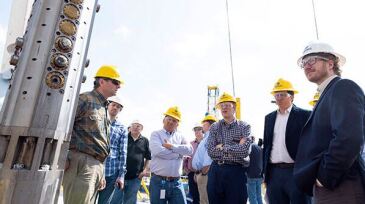
The developer of the recently emerged anchorbit technology is preparing to drill its first geothermal well next year in Germany.
-
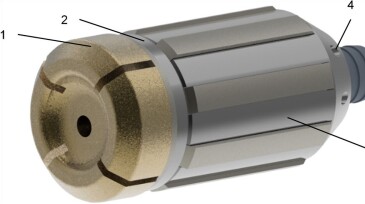
Derived from the principles of radial jet drilling, a new technology called micro-turbine drilling is developed to allow for drilling of micro-sidetracks from cased boreholes in very hard reservoir rock.
-
A total of 15 companies, including five small businesses, were recognized this year for their demonstrated advancements in the industry.
-
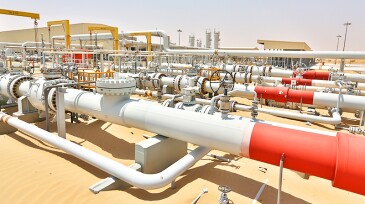
More than two dozen artificial intelligence systems are being celebrated for delivering massive value to the national oil company.
-
Longtime leaders in artificial lift discuss and share their insights on the rapidly evolving segment’s past, present, and future.
-
The world of artificial lift has witnessed a remarkable revolution over the past 25 years, with many of the events and technology trends recorded in the Journal of Petroleum Technology.
-
There will always be a need for good artificial lift engineers. So, what should the next generation of its professionals be trying to pursue?