Reservoir

This case study describes how edge computing and industrial internet of things platforms were deployed to automate and optimize production operations across four distinct basins.
Output is rising fast in the South American shale play and putting Argentina on a course to soon reach 1 million B/D.
This case study presents a procedure in which the operator compared production from wells with adjusted wettability to a control group, finding that the adjustments resulted in significant improvements in production and reductions in produced water.
-
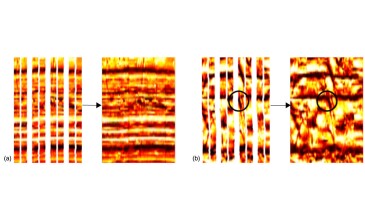
 This paper presents the mitigation of drilling challenges encountered in the Niger Delta through a technique that relates shale resistivity to shale porosity and vertical effective stress to predict pore pressure.
 -
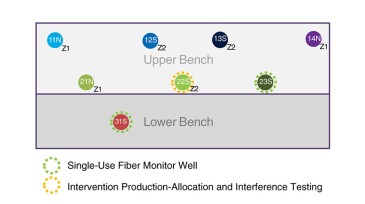
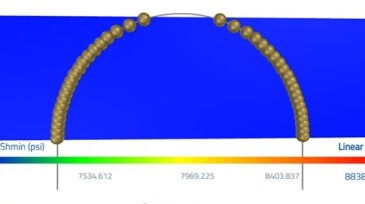
The authors integrated azimuths and intensities recorded by fiber optics and compared them with post-flowback production-allocation and interference testing to identify areas of conductive fractures and offset-well communication.
-
The Research Council of Norway’s $118,000 grant will support development of longer fishbone laterals to raise production while lowering carbon footprints.
-
Houston-based Chord is set to see its daily output increase to a basin-leading average of 287,000 BOE/D.
-
The SPE Oil and Gas Reserves Committee has opened a period for public comments and feedback on the current 2018 PRMS.
-
Long the subject of rumored deals, Endeavor Energy is being snapped up at last in a deal valued at $26 billion.
-
New studies examine whether two innovative well designs should have a bigger role to play in the race to get more value out of tight rock reservoirs.
-
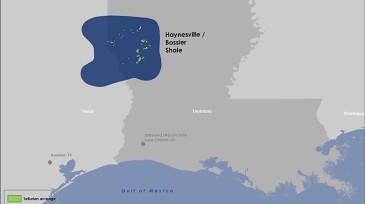
The company looks to focus its efforts on getting phase one of its Driftwood LNG up and running by shedding Haynesville acreage.
-
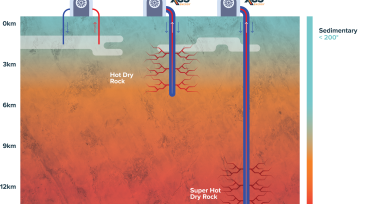
Backed by more than $28 million in fresh investments, XGS Energy is prepping to introduce a new technology called thermal reach enhancement.
-
The authors of this paper propose an artificial-intelligence-assisted work flow that uses machine-learning techniques to identify sweet spots in carbonate reservoirs.