Reservoir

As Egypt’s largest oil and gas investor, Eni is ramping up its 2026–2027 drilling campaign with new investments cross the Mediterranean offshore, Nile Delta, Western Desert, and offshore Sinai to strengthen the country’s role as a regional gas and LNG export hub.

The industry is no longer short of measurements; the real challenge is converting them into timely reservoir decisions that protect value. That challenge is becoming more urgent as the industry depends increasingly on mature fields and existing infrastructure. The selected papers show how this need is being addressed across different producing regions.

This paper presents a case study from a mature field redevelopment project where pulsed neutron logging was integrated with advanced reservoir modeling to improve the understanding of fluid-contact dynamics and optimize new horizontal well placement.
-
 New commentary from the SPE Reservoir Advisory Committee (RAC) provides key high-level insights on the potential consequences of long-term shut-ins on conventional and unconventional reservoirs.
 -
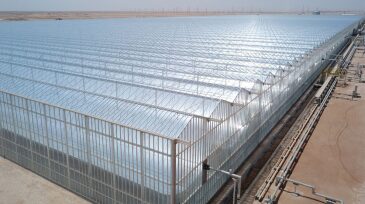
GlassPoint Solar was founded in 2008 to replace the use of natural gas for steamflooding heavy-oil reservoirs. But amid low energy prices, its chief investor has decided to pull the plug for good.
-
The silver lining for those overseeing the unprecedented shut ins of tight-oil wells is the potential to acquire a wealth of reservoir data. But first, petroleum engineers need to monitor these wells and use the right analysis toolbox.
-
A technical synopsis of major considerations for unconventional wells facing prolonged shut-ins. The review includes deciding factors for kill fluid selection and risks of incompatible fluid mixing.
-
As tight-oil producers move to curtail production, hard-to-answer questions are being raised about how shuttered wells will come back. The issue reveals key uncertainties about the delicate flow paths that define unconventional reservoirs.
-
Most history-matching studies have fixed resources—that is, the team of engineers and geoscientists is predetermined. Moreover, the deadlines are always very strict. This constrained scenario often leads to an unfortunate result: The quality of the study suffers.
-
Not everybody suffers when US oil producers slash production. Among the beneficiaries could be US gas producers who will benefit because less oil production will mean a lot less gas on the US market.
-
Proper lateral and vertical well spacing is critical for efficient development of unconventional reservoirs. Much research has focused on lateral well spacing but little on vertical spacing, which is challenging for stacked-bench plays such as the Permian Basin.
-
Reviewing a myriad of papers presented at different conferences during the past year, I can group the current trends in heavy-oil operations and research into two major categories: Process optimization and use of chemicals as additives to steam and water.
-
Steam-assisted gravity drainage (SAGD) performance in bitumen-recovery projects in Alberta is affected by geological deposits, reservoir quality, and operational experience.